The Tennis Home Capitals of the United States
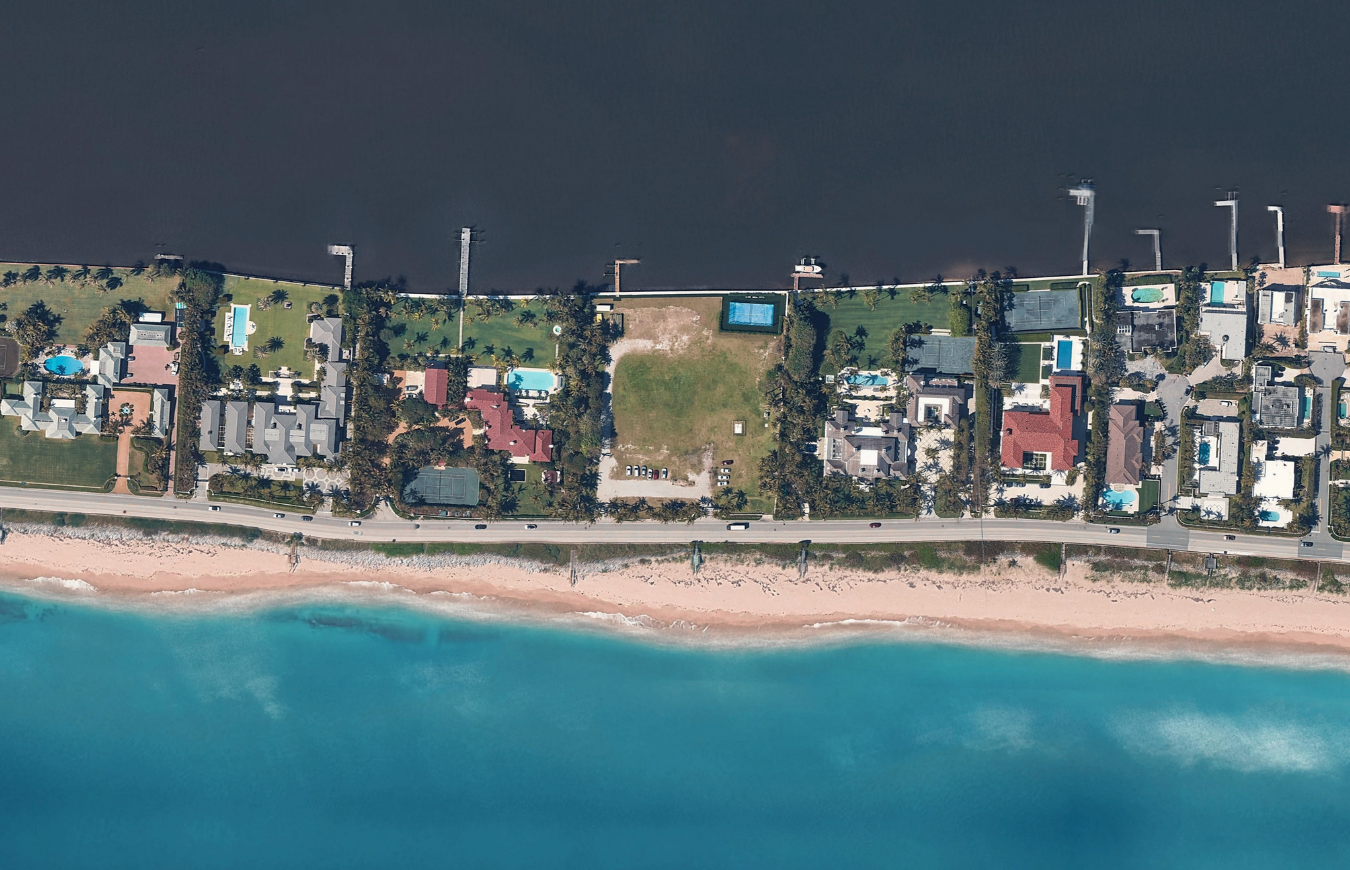
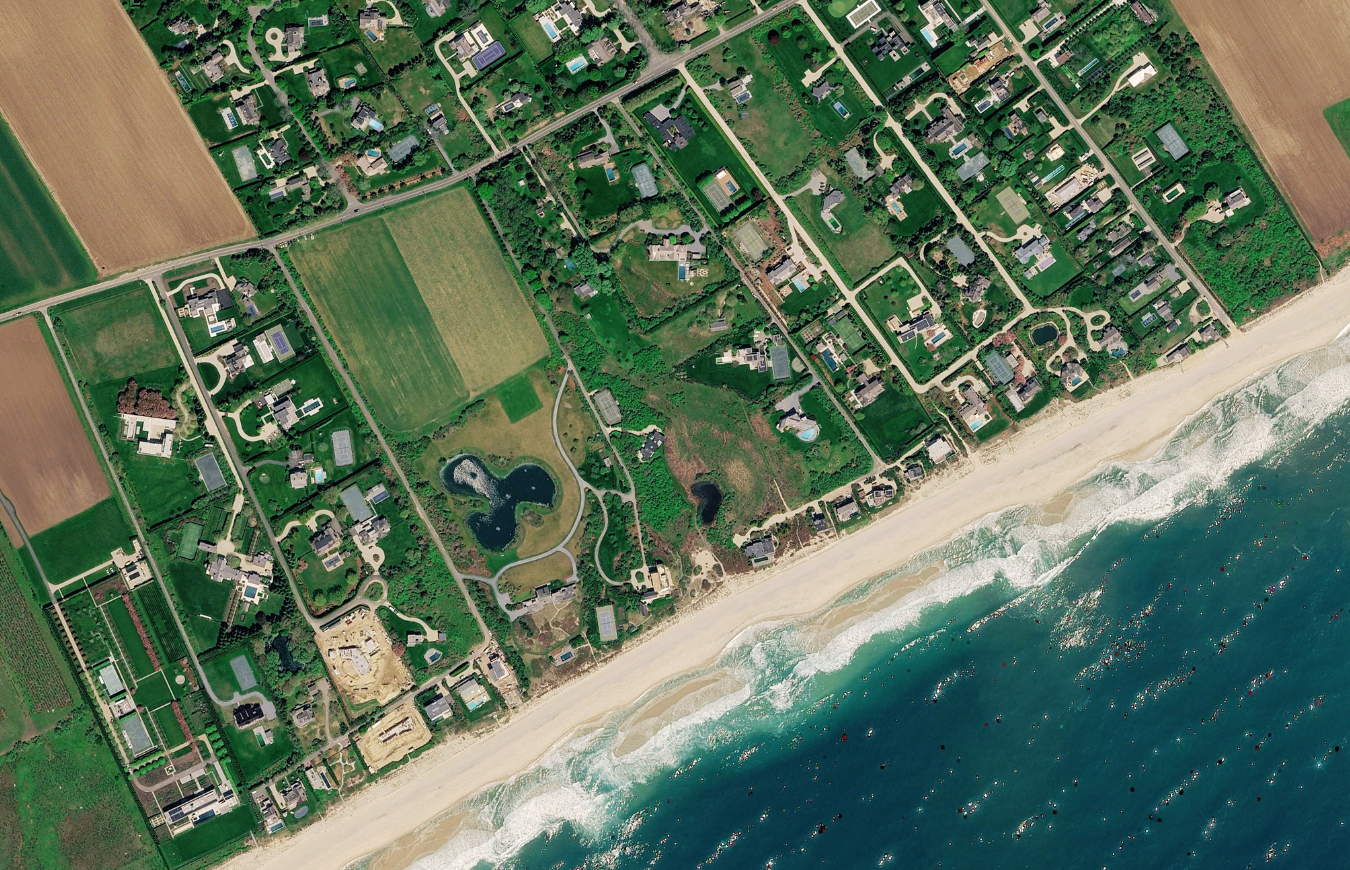
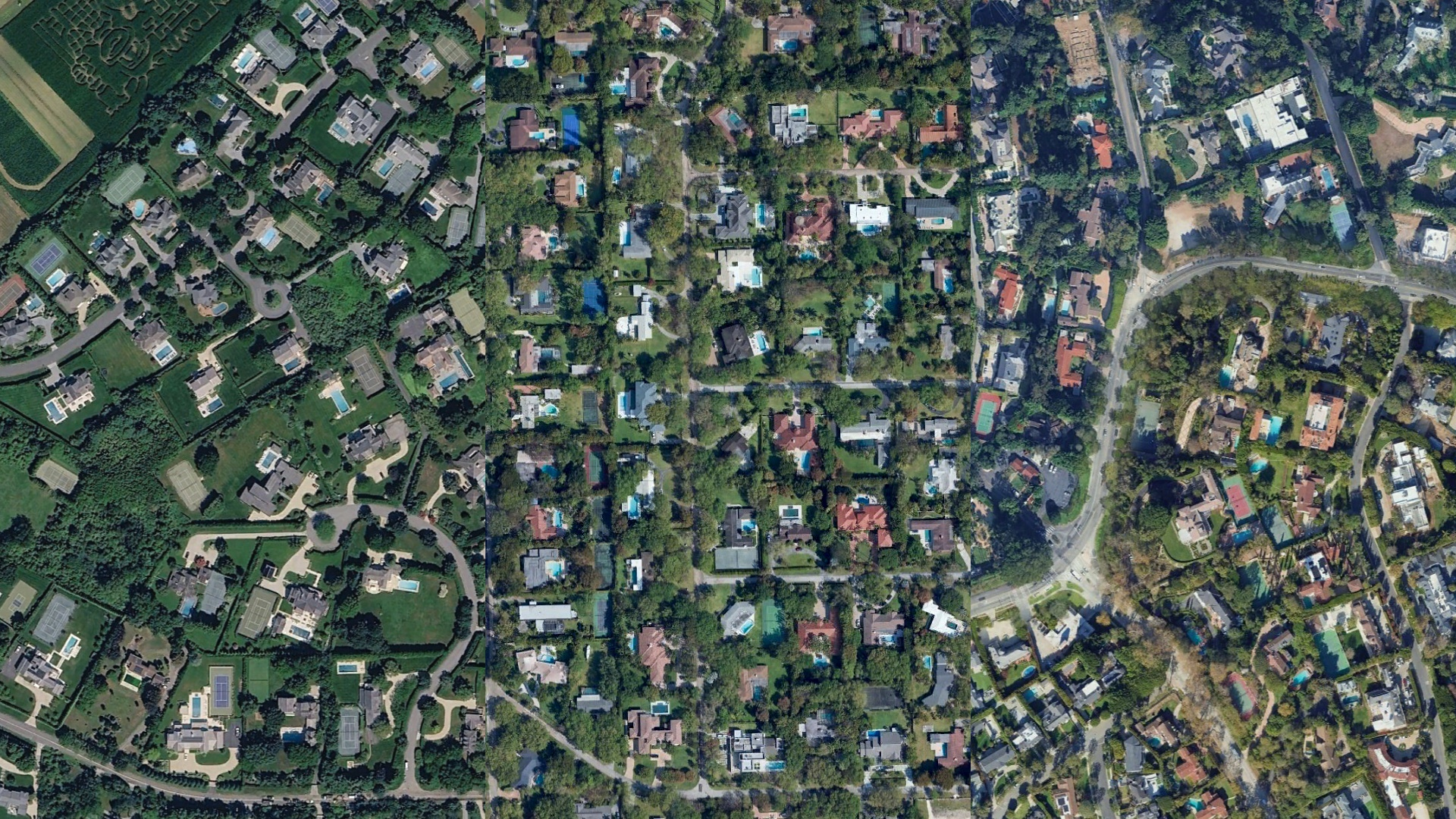
Where private tennis courts gather in the United States: the Hamptons, the Westside of Los Angeles and Pinecrest in Miami-Dade, seen from above, with the climate, the clubs and the homes in each.


Where private tennis courts gather in the United States: the Hamptons, the Westside of Los Angeles and Pinecrest in Miami-Dade, seen from above, with the climate, the clubs and the homes in each.
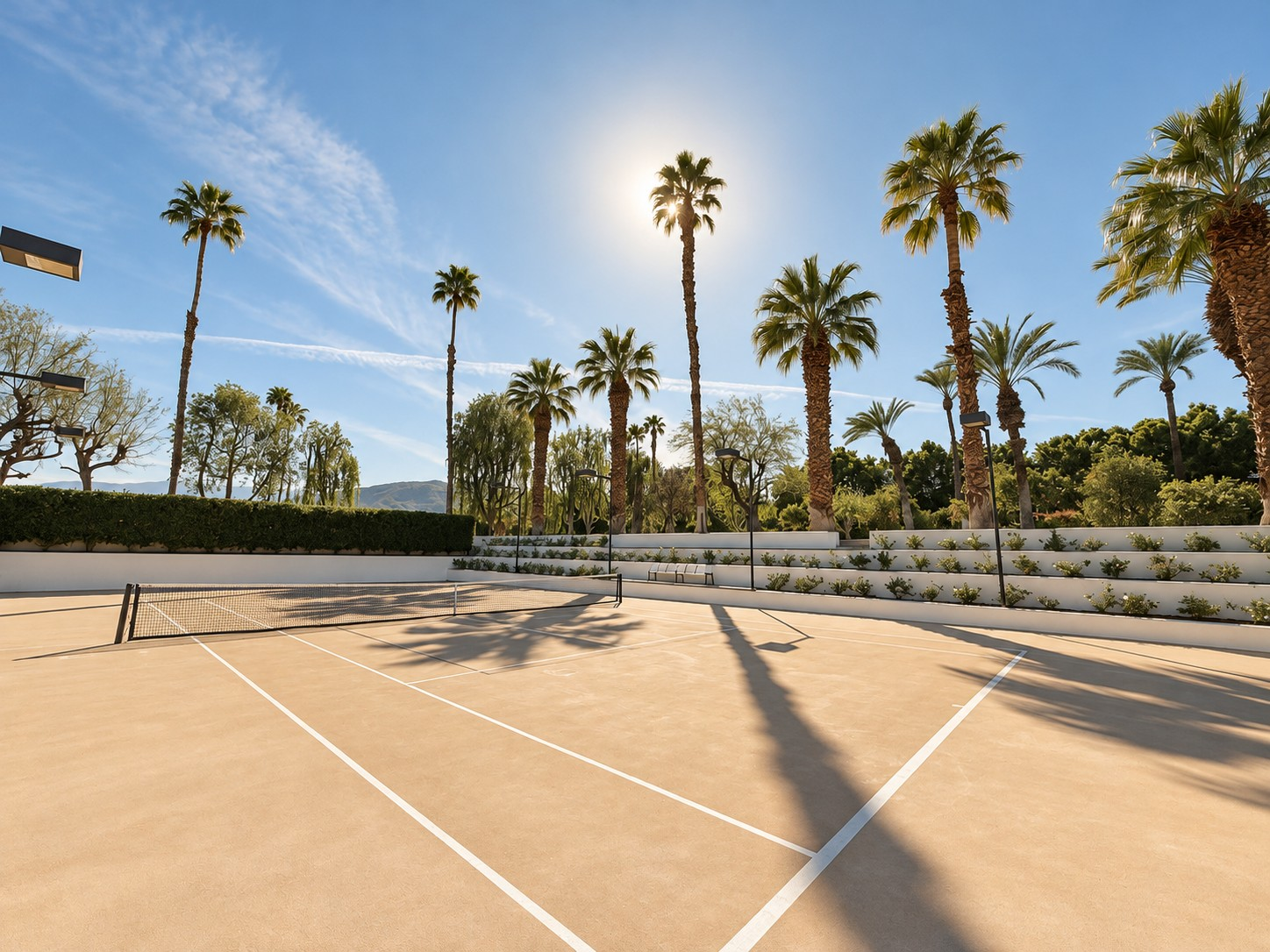
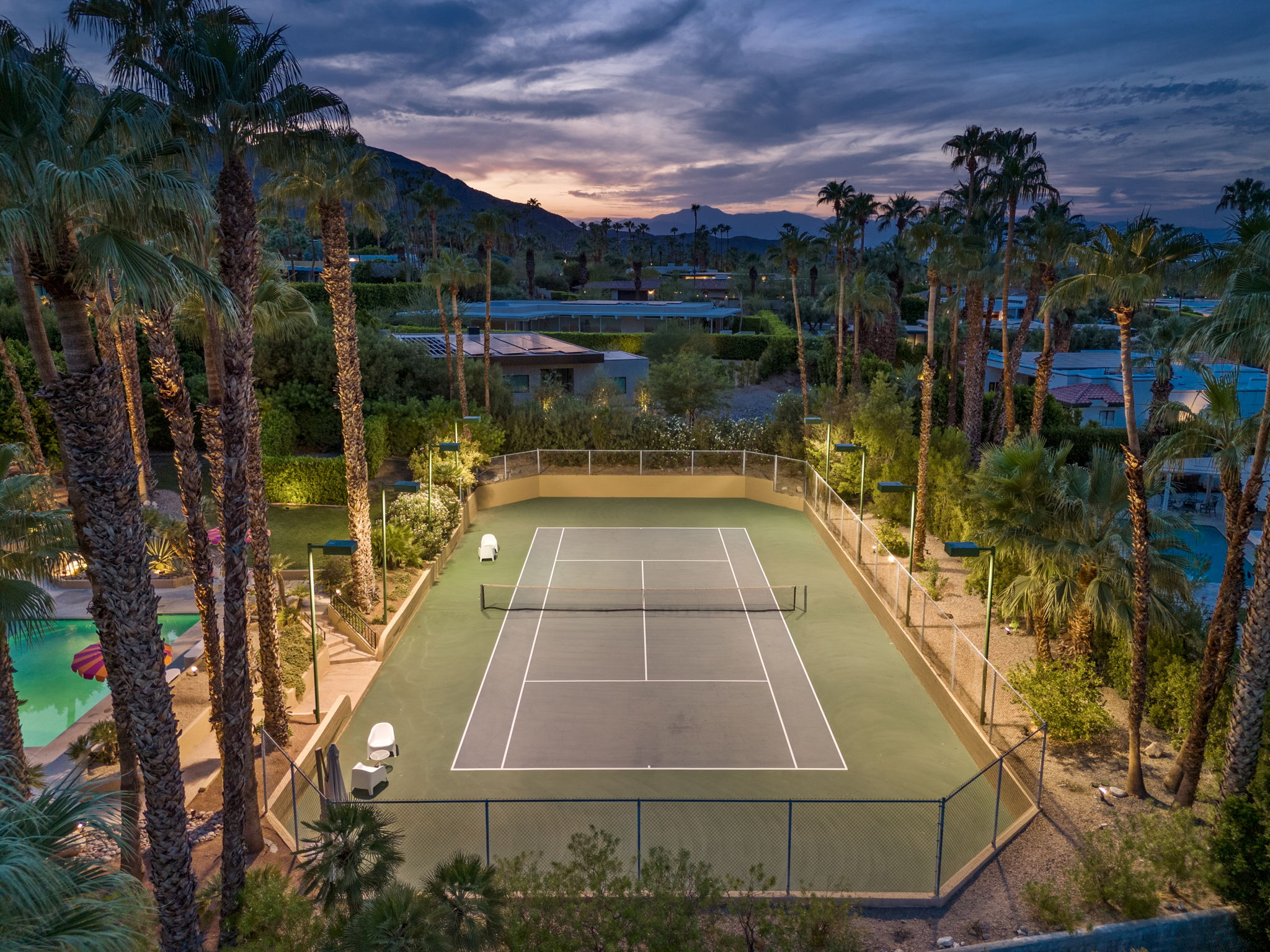
In Rancho Mirage a private tennis court must sit four feet below the garden. Four desert homes with tennis courts, and the city codes that shape them.
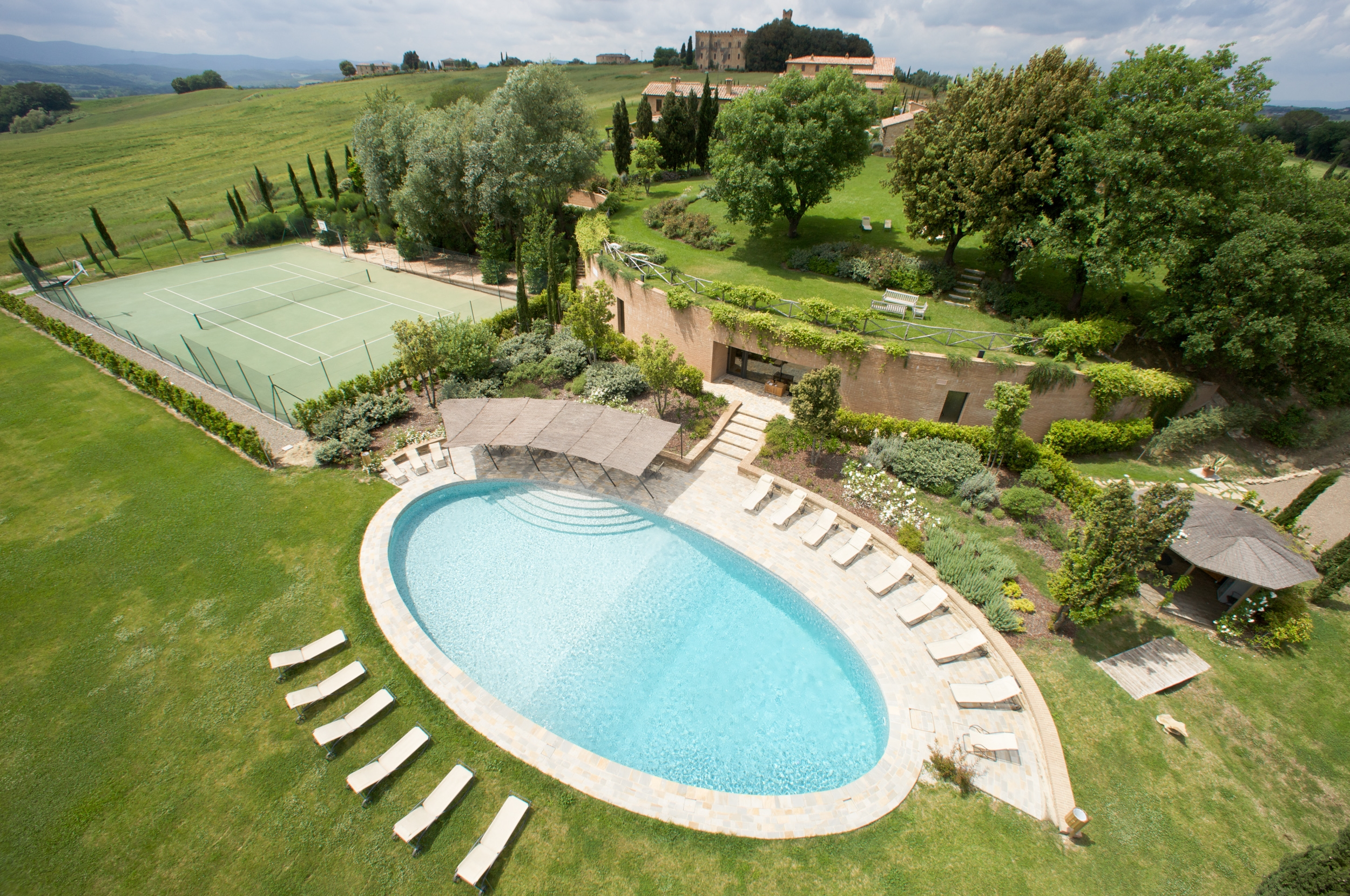
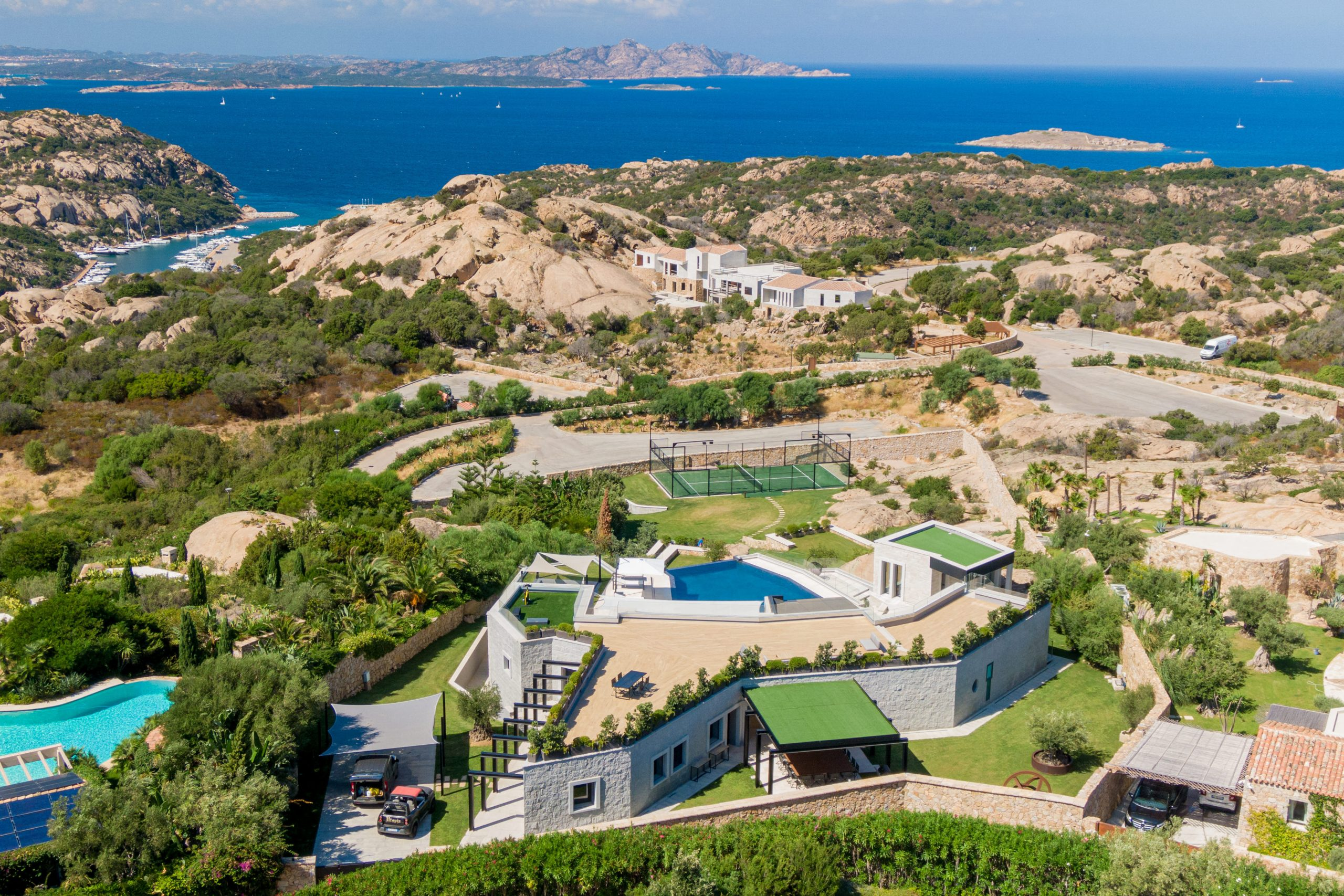
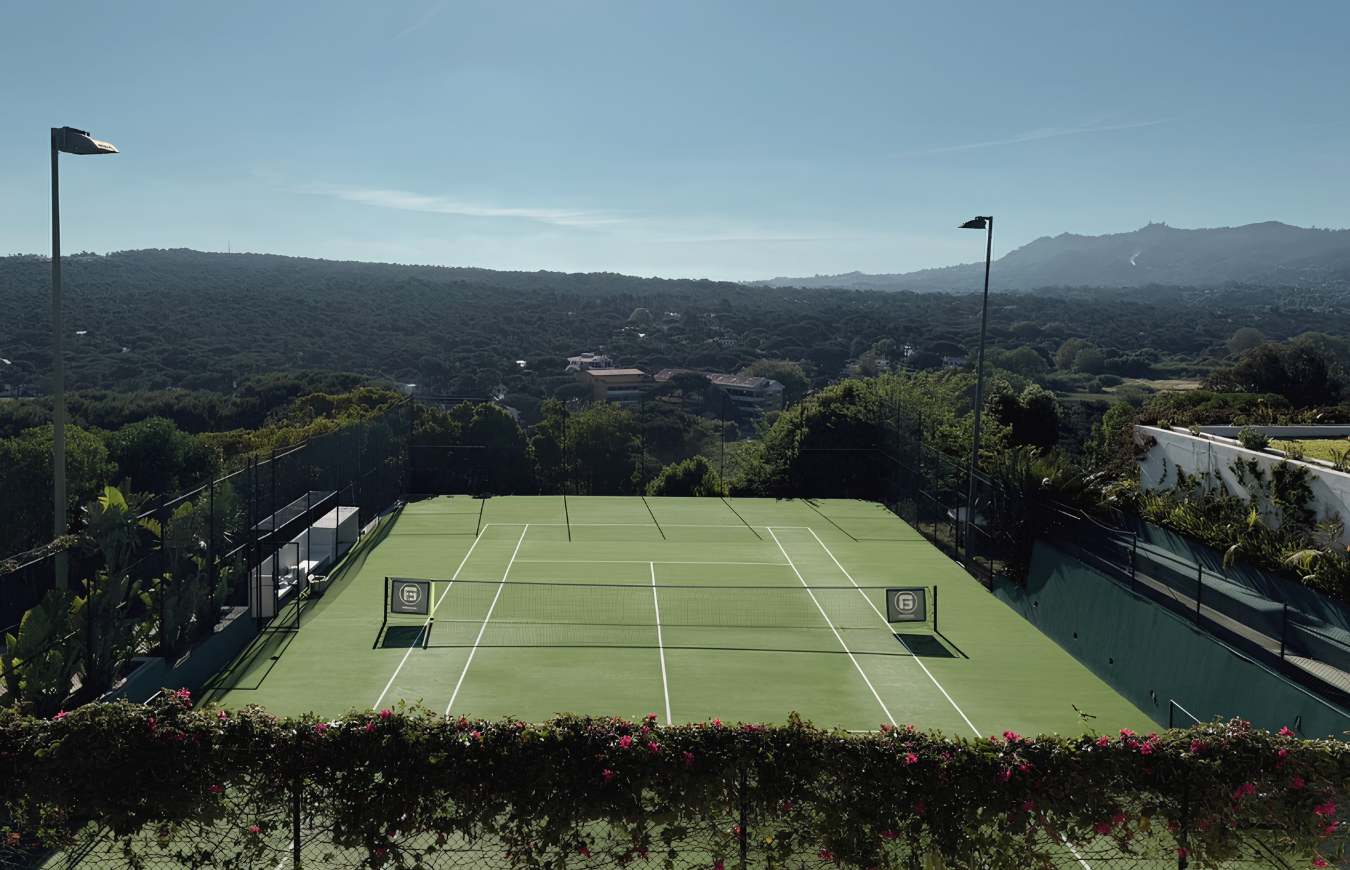
Cover Feature: Tenuta La Serenata | The Luxury Travel Book
Every private court has good hours. The useful question is where they fall in the month you are going, and what the house can do to give you more of them.
Some of the best tennis we see happens in the middle of August, at seven in the morning and again at seven at night, in places where nobody would play at two. And some of the easiest happens in October, when the same court runs all day and the house is quiet.
Both are good weeks. They just ask different things of the property. Across the villas with private tennis courts we rent, the gap between a long playing day and a short one comes down to three things, and all of them are easy to check before you book.
This part is not a matter of opinion.
A 2024 study published in Scientific Reports measured heat across tennis court surfaces through a full summer. Hard courts came out hottest, sand-filled artificial grass close behind, clay measurably cooler. The recommendation was direct: play less in the early afternoon, and move the game to the morning, the evening, or under lights. The ITF's surface selection guidance says the same from the construction side, that climate should decide the surface before anything else does.
So in high summer, clay buys you the longest afternoon and an unshaded hard court the shortest. In spring and autumn it barely matters. Same court, different month, different question.
Country by country, when the day runs longest and what to ask for when you are going outside that window.
| Country | Longest playing days | Ask for |
|---|---|---|
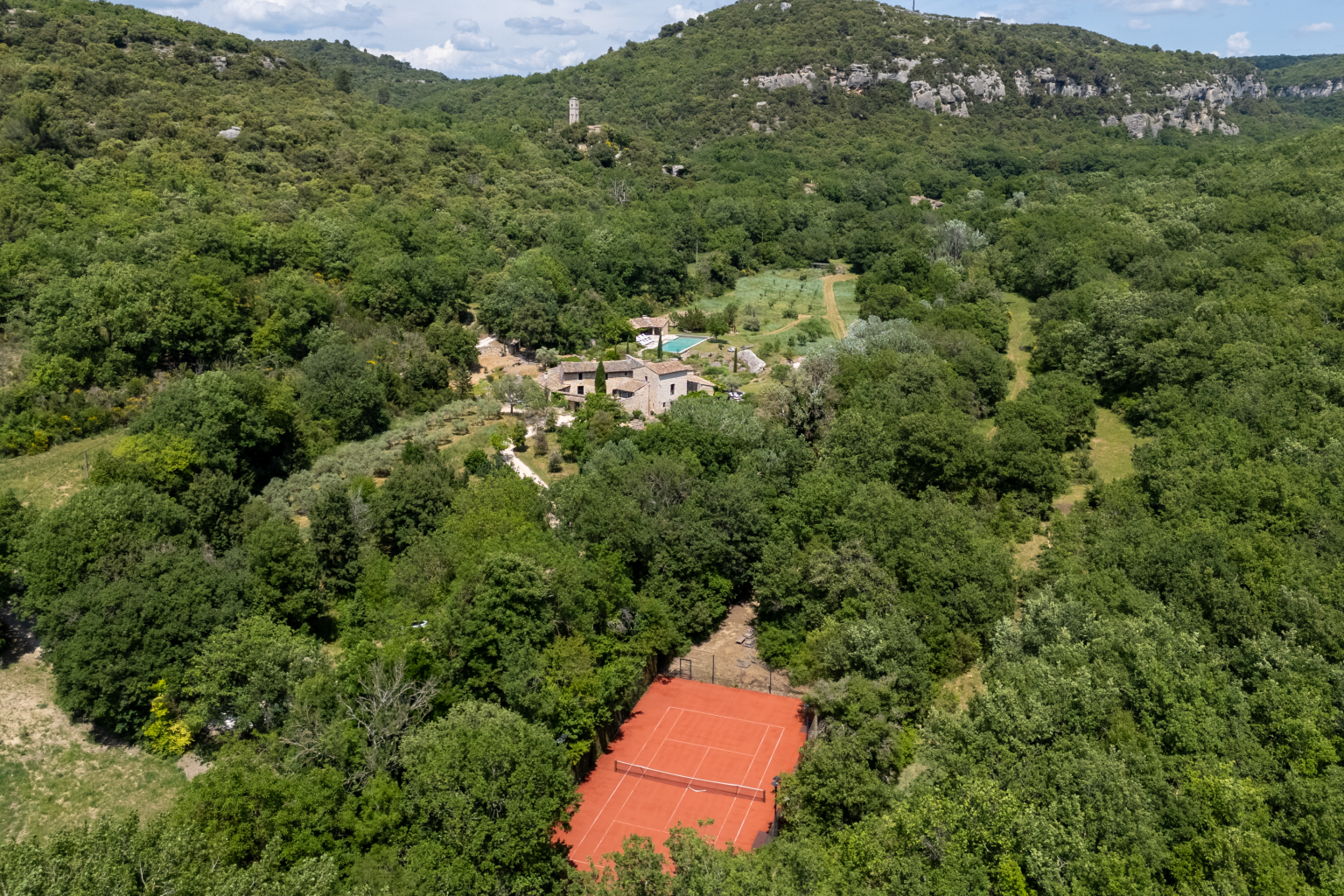
| France | May, June, September, October | The coast holds the summer afternoon better than the interior. Inland, ask for lights |
| Italy | June and September | Elevation. The hills and lakes hold the afternoon far longer than the coast |
| Morocco | March, April, October, November | Clay and lights. Both are common here, and together they cover the summer |
| Spain | May, June, September, October | Shelter around the court. Island courts are often the most exposed part of the property |
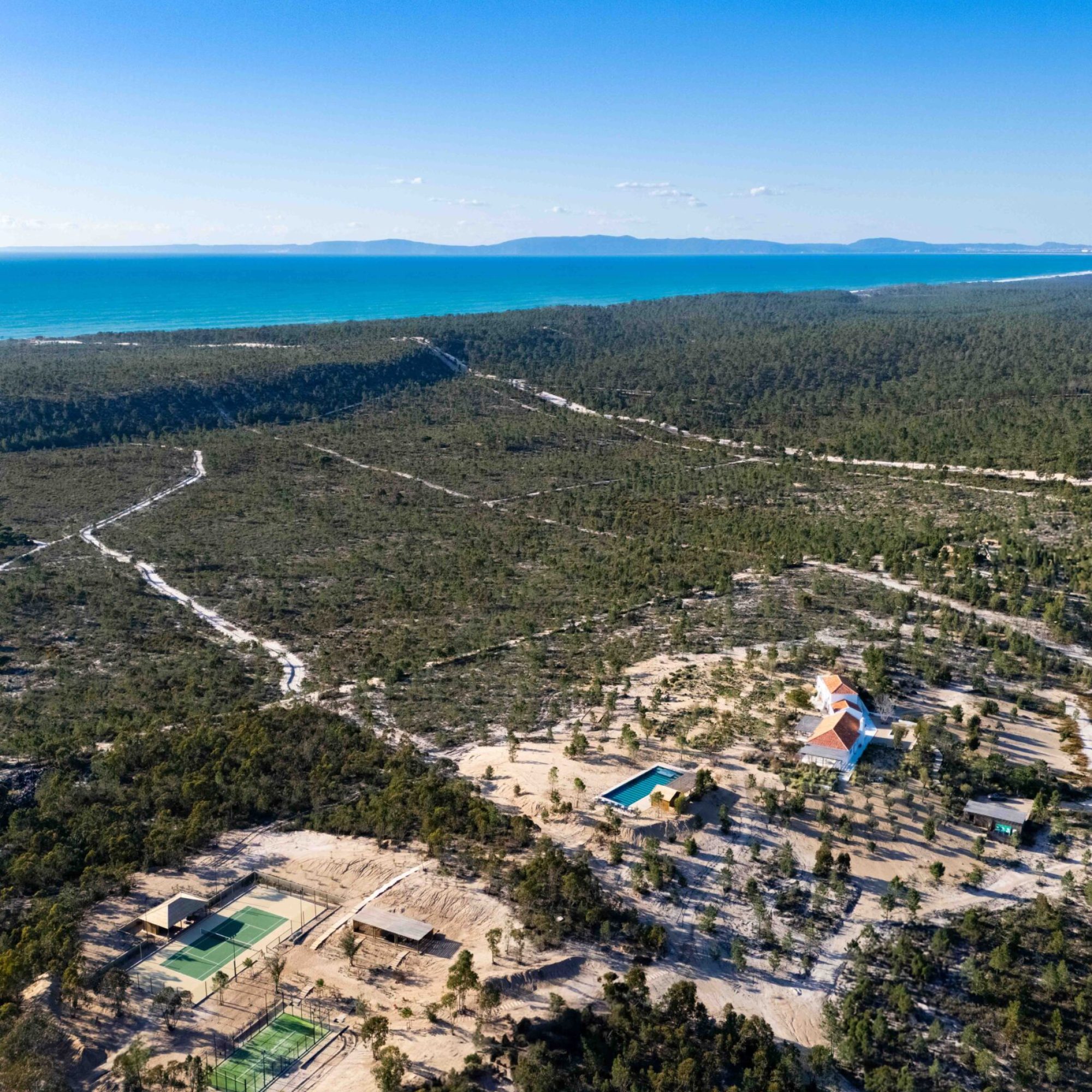
| Portugal | April to June, September, October | Little. Summers here are milder than most people expect |
| Greece | May, June, September, October | Shade near the court, and lights on the hotter islands |
| Turks and Caicos | December to April | Every court here is lit, so ask about the sport instead. Padel and pickleball sit alongside tennis |
| St Barths | December to April | Lighting is a given. If you are travelling in autumn, ask about the hurricane calendar |
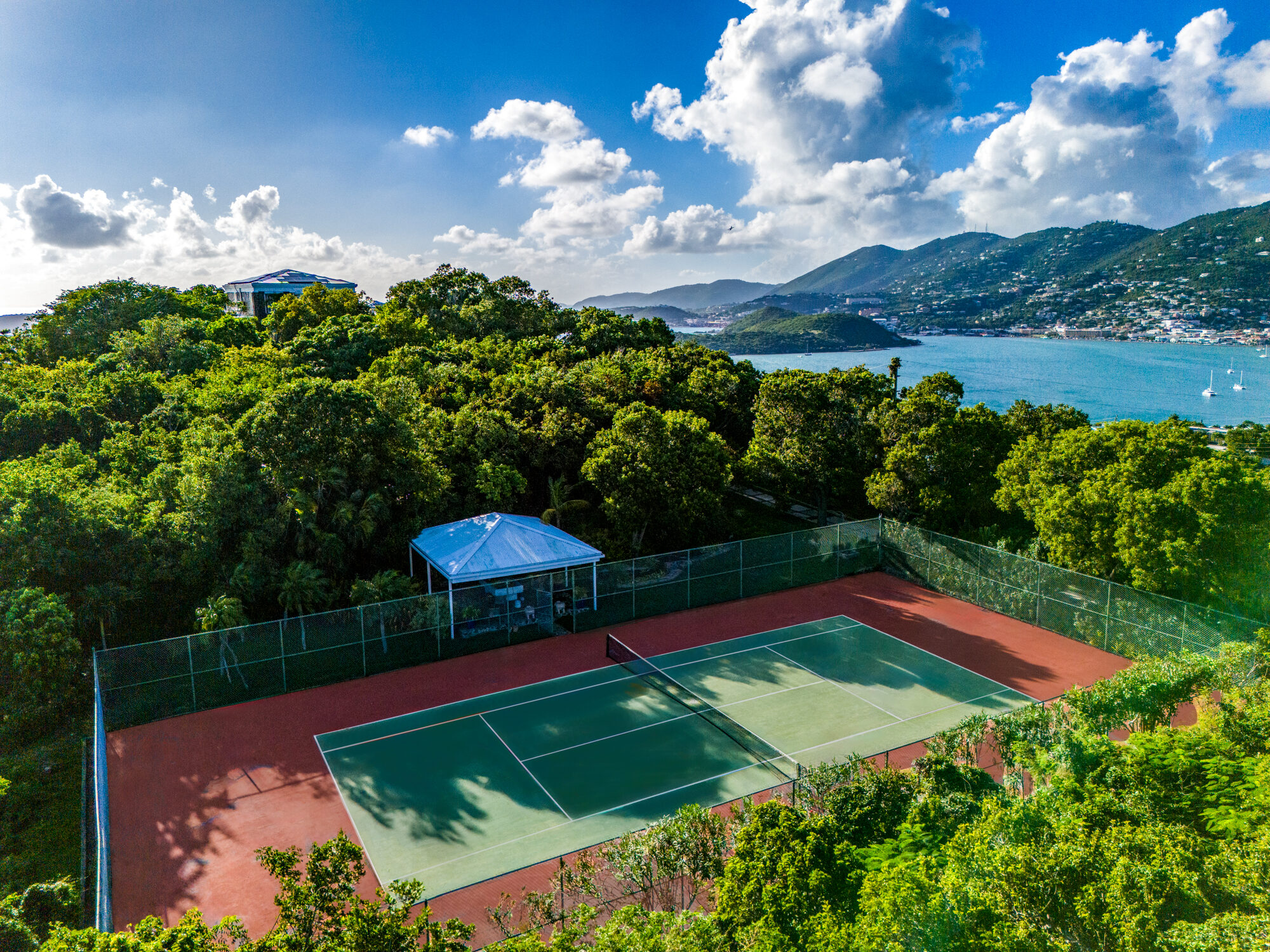
| US Virgin Islands | December to April | Lit as standard. The driest, steadiest weeks are late winter |
| Thailand | February to April | Also lit throughout, so the month matters more than the court. Rain is what moves here, not heat |
Three of those deserve a sentence more.
France is the one that surprises people. The Riviera coast stays moderate right through the summer, while an hour inland is a properly hot July. Provence in August is excellent tennis at either end of the day, which is why a lit court there is worth asking for specifically.
The Caribbean runs on a different calendar entirely. The Atlantic hurricane season runs June to the end of November, and the long dry stretch is the northern winter. It is also the only place we work where playing after dark is simply how the court gets used. The day divides at nine in the morning and eight at night, and the middle belongs to the water.
Thailand catches people out because Koh Samui sits on the wrong side of the country for the southwest monsoon, so its wet season arrives when the mainland's is ending. Late autumn is the wet stretch and late winter into spring is the dry one. Rain there tends to come hard and briefly rather than all day, so an hour's patience usually gets the game back.
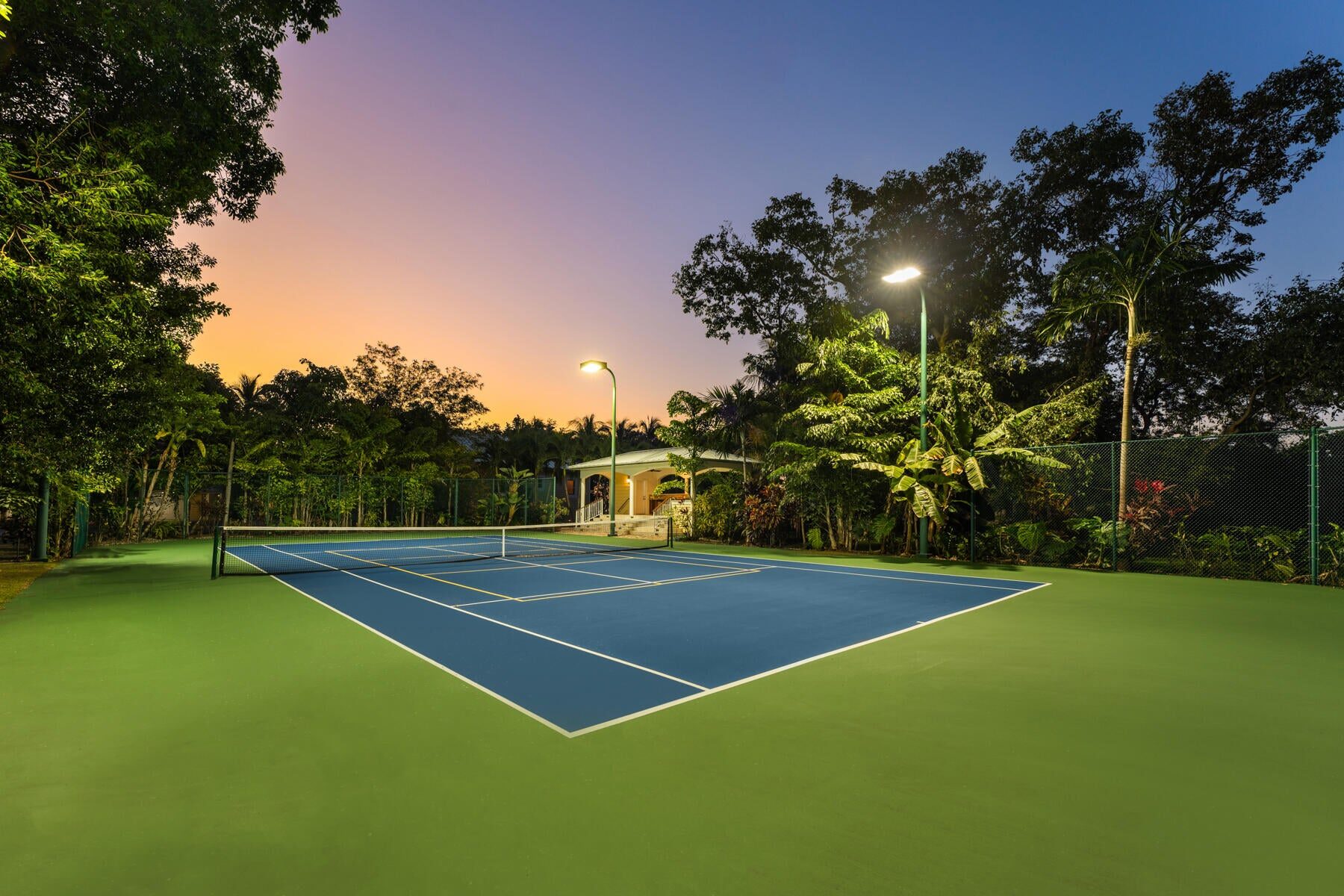
Lights. The only feature that adds hours rather than moving them. A little over half the courts we rent are floodlit, and the pattern is worth knowing. Everything we hold in the Caribbean and Thailand has lights. In Morocco, every padel court is lit. In France, roughly half are, which is why it is the first thing we check on any property we take on. Lighting is stated inconsistently on most listing sites, so ask rather than assume.
Surface matched to the month. Clay for the heat, hard court for spring and autumn, and if the trip is a summer one, the combination of clay and lights is the longest playing day money can buy.
Somebody looking after the court. A court is a maintained surface, not a fixed feature, and how it is kept changes the week more than most things in a listing. Clay wants watering and brushing, and through a hot week it plays differently on Friday than it did on Monday depending on whether anyone has touched it. Hard courts want sweeping and a clean surface, particularly under trees. Some houses have this built into the service, with a groundsman who does the court alongside the garden or a local club that sends someone. Others arrange it when guests ask. Either way it is rarely spelled out, so the question worth asking is simply how the court is maintained and who does it. It tells you a great deal about how seriously the court is taken in that house.
Tell us your weeks and whether you intend to play every day. We hold surface, lighting and court detail on every home we rent, and it is frequently more accurate than what is published elsewhere. We will come back with two or three that fit the month, and what to expect from the court while you are there.
Know someone planning a court-led trip? Send this to them.

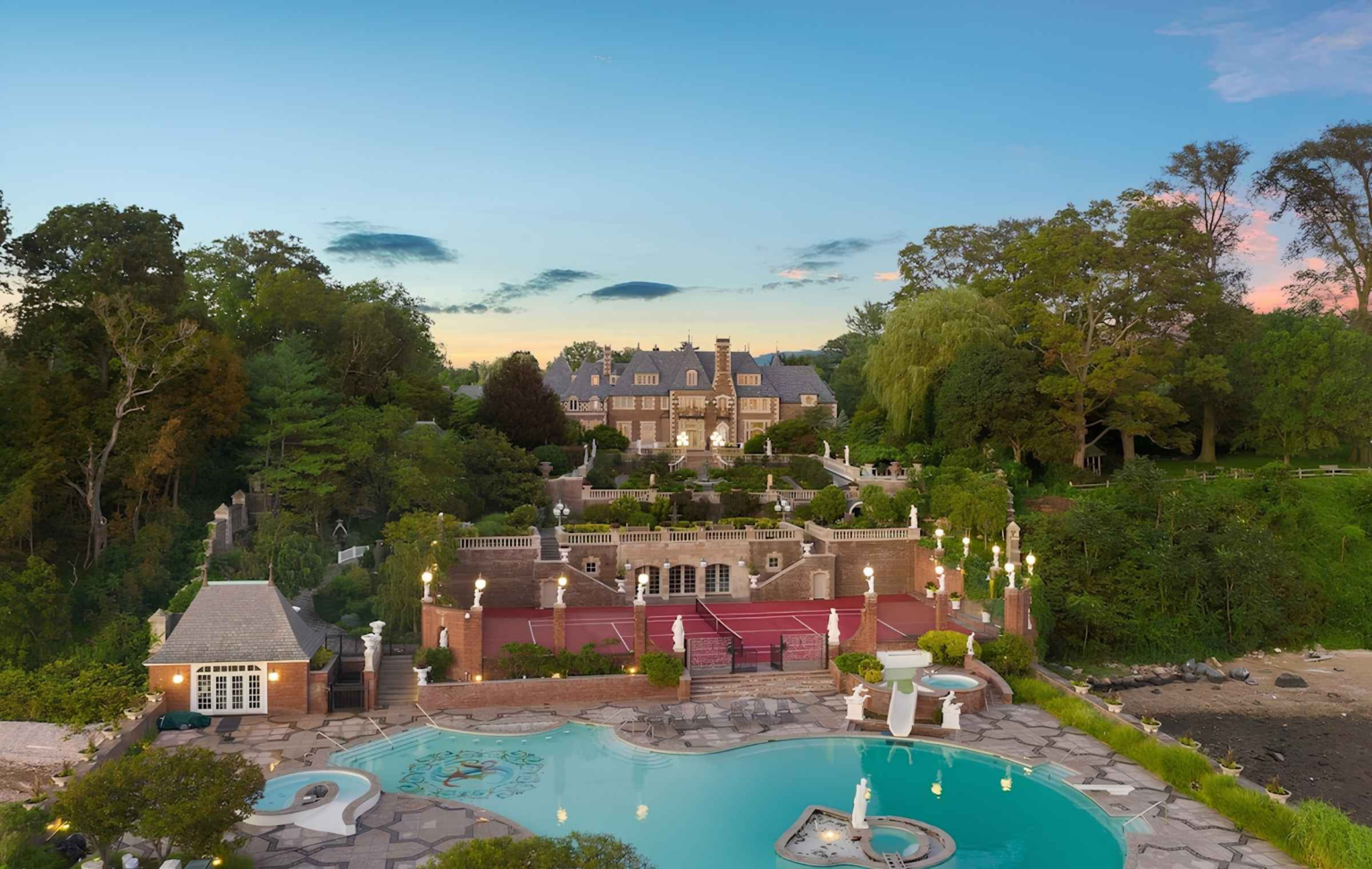
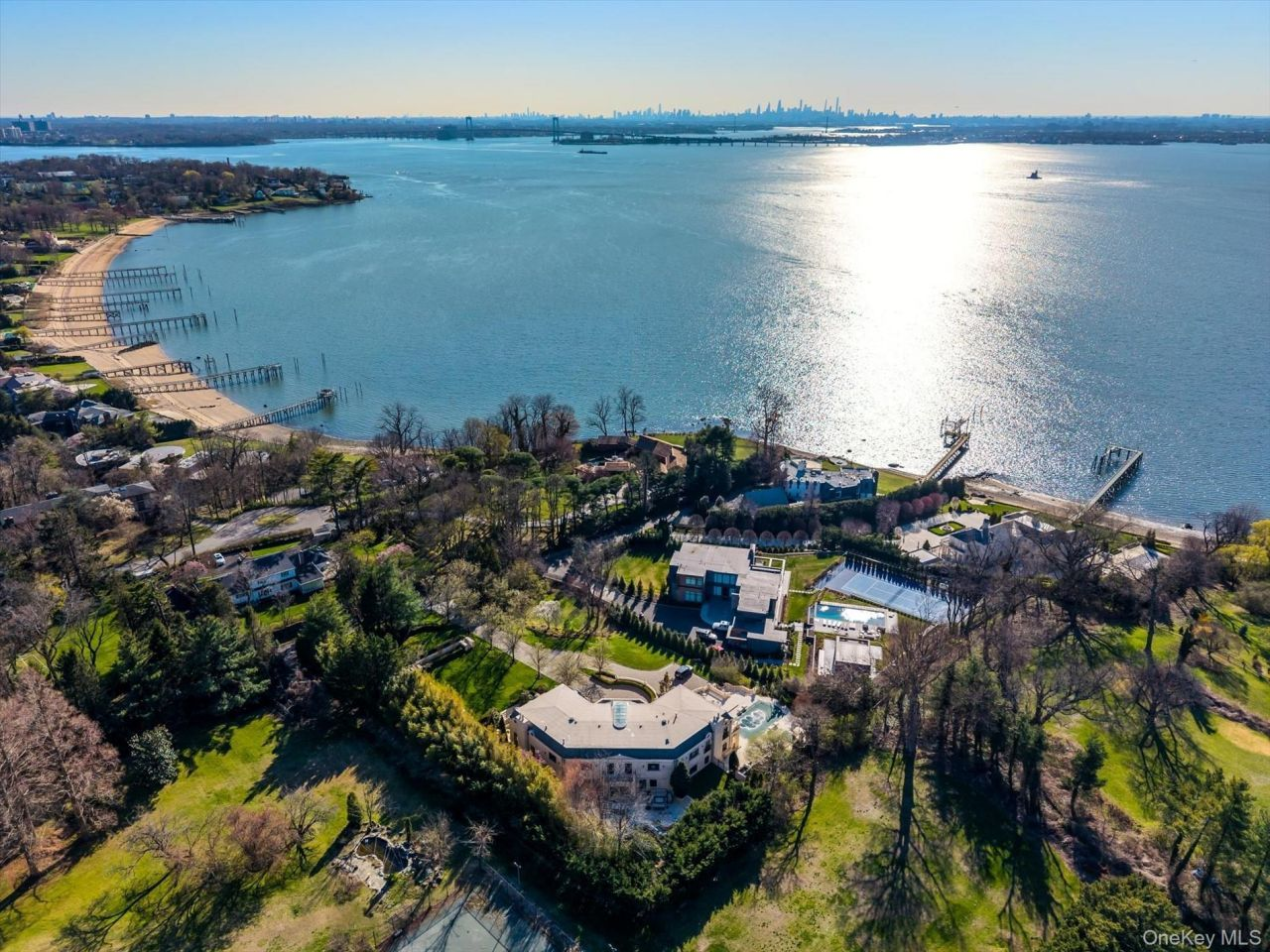
Cover Feature: Kings Point, New York. Photo: OneKey MLS.
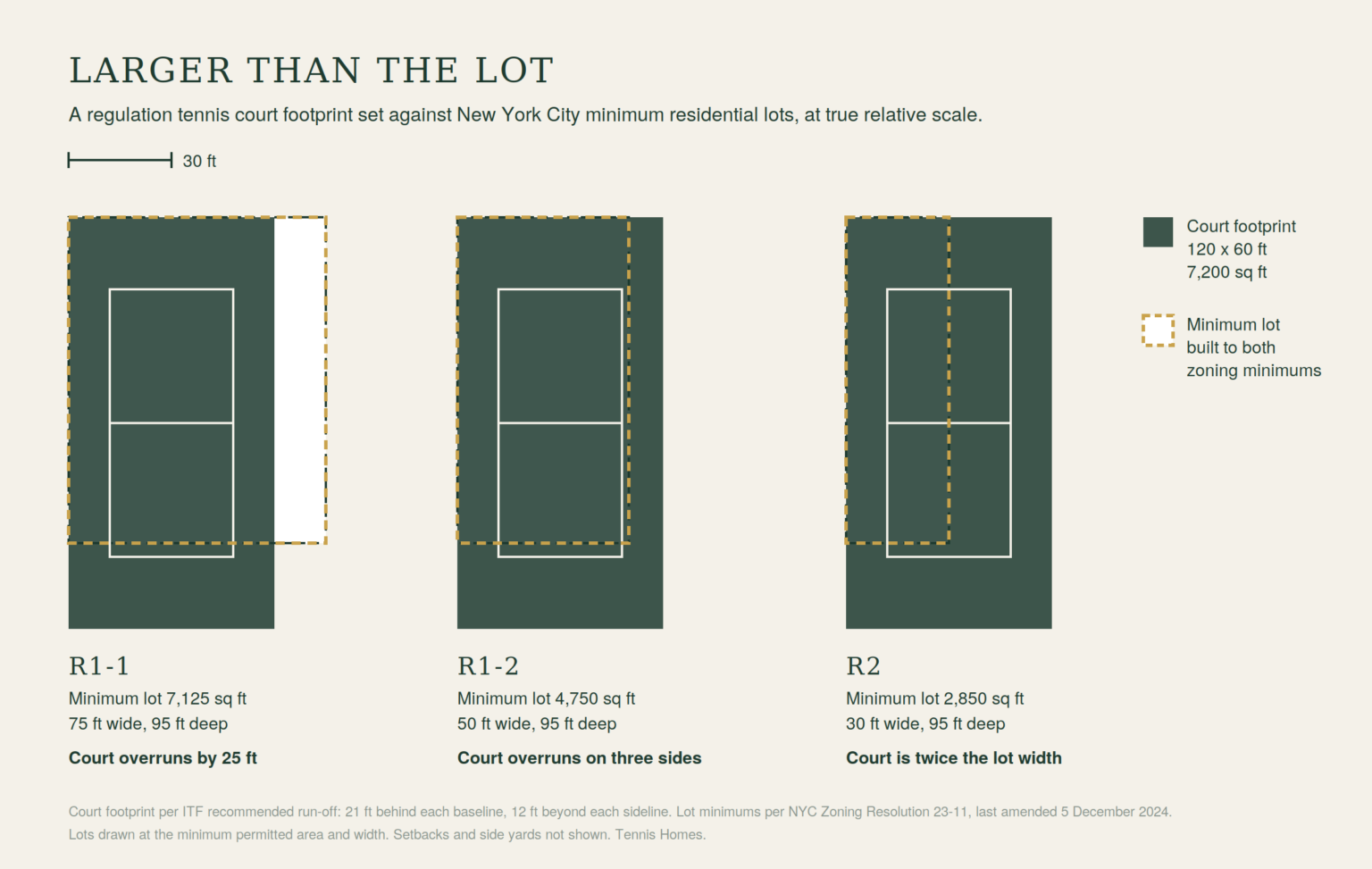
A private tennis court needs 7,200 square feet of flat, cleared ground before you count the house. The minimum lot in New York City's most generous single family zoning district is 7,125 square feet.
The court is larger than the lot.
That one comparison explains something the map makes obvious once you look for it. The sport's biggest American audience fills a public park in Queens every summer, and the homes with private courts are nowhere near it. They begin about fourteen miles east, on land drawn a century ago that could not be drawn that way now.
Anyone who wants a court and a New York life is choosing a point on that ring. It starts further out than most people expect, and the reason has nothing to do with taste.
A court is 78 by 36 feet of playing surface. Add the run-off the ITF recommends behind the baselines and beside the tramlines and the real footprint is 120 by 60 feet.
New York does not have room for it. Under section 23-11 of the Zoning Resolution, a lot built to the city's minimums is 95 feet deep, and that holds from the smallest single family district to the most generous. A court is 120 feet long. It runs 25 feet past the back of the lot before anyone has drawn a house, a driveway or a setback.
The city is not short of players or money. It is short of rectangles. And buying the lot next door, which we wrote about this summer, is the usual answer. Here it takes more than one, and the right ones.
Court footprint per ITF recommended run-off. Lot minimums per NYC Zoning Resolution 23-11, amended 5 December 2024
The best evidence for the constraint is the tournament itself.
From 1915 the championship was played at the West Side Tennis Club in Forest Hills, in a 14,000 seat concrete stadium completed in 1923, the first of its kind in the country. The club sits inside Forest Hills Gardens, a residential community laid out from 1909.
By the mid 1970s the event had outgrown it, and the reasons were spatial rather than sporting. There was nowhere for the audience to park in the narrow lanes around the club, nowhere for the merchandise tents, and by the 1977 tournament, nowhere even for the rubbish, which spilled from the bins and blew across the courts after rain.
In January 1977 the USTA president W.E. Hester was flying into LaGuardia and saw the derelict Singer Bowl from the 1964 World's Fair below him under snow. The Open opened at Flushing Meadows in August 1978. The club fought the move and lost.
The two sites are 2.9 miles apart. The tournament barely travelled. It went from a residential neighbourhood into a public park, because the neighbourhood could not hold it. A private court is the same problem at a twentieth the scale. The land runs out first.
Drive out along the water and the ground changes at the Great Neck peninsula. Kings Point is where private courts stop being an exception and start being a pattern. The Queens enclaves with the largest lots do not come close on that count.
The distance is around 13.6 miles depending on where you land, twenty minutes on a clear road and half an hour when it is not.
Why the courts are there is the same answer as the zoning. These are Gilded Age North Shore villages laid out on estate scale parcels, and a good number of the courts are inherited rather than built. When a Kings Point waterfront estate came to market in 2023, the listing side described its pool, dock and tennis court as grandfathered features that could not be replicated on that waterfront today.
We have written before about grandfathered court lighting. The principle runs deeper than lighting. In villages that have spent a century tightening setbacks and coverage, the court itself becomes the protected thing. The parcel would not permit it now. It is there because it was there first.
That changes what a buyer is shopping for in the first ring. Not a house with room for a court. A house that already has one, with the standing to keep it.
Featured: 26 Pond Road, Kings Point, New York
New York is the clearest case because the numbers are so blunt, but the shape is not local to it.
A court is the same size everywhere. Land is not. So in every market we cover, the private court sits at some distance from the centre, and how far out depends entirely on how the land around that city was drawn and when. Cities that grew before the car left long garden plots. Cities that grew after did not. A court fits in the first and rarely in the second.
In most markets a private court signals taste, or discipline, or how seriously a household takes the game. Around New York it also measures distance. It tells you how far out the family was willing to go to get one.
If you are looking for a court within reach of the city, the search starts on the North Shore and works outward.

Landmaxxing is the year’s dominant move in luxury real estate. We want to read it through something the coverage leaves out: the tennis court, and the land it demands.
The wealthiest buyers in America have changed what they shop for. Not the largest house. The land around it. The move has a name now, landmaxxing, and Coldwell Banker’s 2026 mid-year luxury report placed it first among the trends shaping the market. Buyers acquire the property next door, sometimes the one after that, and combine them into a single private compound.
Most of the coverage stays on the prices and the names. We are interested in a quieter question. Once the extra land is yours, what goes on it? The reporting we reviewed lists staff housing, gardens, garages, and docks. It does not mention a tennis court. That absence is the reason we wanted to write this.
The court belongs on that list, and the reason is not sentiment. It is dimensions. A real tennis court needs more flat, uninterrupted ground than almost any other private amenity. That single fact, which is not in dispute, is worth holding onto as landmaxxing spreads. What follows is our reading of it, not a claim about why any particular buyer bought what they bought.
Featured: Mecox Bay Estate | Hedgerow Exclusive Properties
Coldwell Banker found that United States luxury-property searches doubled over the first five months of 2026 against the same period a year earlier. Searches for buildable land rose 97 percent. The hunt for one-of-a-kind properties, private islands, historic homes, and estates, grew fastest of all, up 146 percent.
The logic is not vanity, even where it looks like it. A house can be renovated or torn down. The lot beside it cannot be manufactured. Combine several neighboring parcels and the result is close to impossible to recreate, which is where the value settles. The cost is flexibility. What makes an assembled compound hard to replace also makes it hard to sell, because the same scarcity narrows the field of buyers who could take it on. For an owner using land as a long hold, that is a feature rather than a flaw.
The clearest examples sit in South Florida, in and around the market we follow most closely. Ken Griffin has spent more than a decade and over $450 million assembling roughly 27 acres in Palm Beach. In Manalapan, WeatherTech founder David MacNeil has bought the lot next door more than once, pushing his compound past $136 million, and split a four-acre parcel with Oracle’s Larry Ellison. In Miami, Jeff Bezos spent north of $230 million on homes along Indian Creek.
Brokers quoted on the trend describe the same motive in different words. Speaking to the Wall Street Journal, Coldwell Banker’s Danny Hertzberg framed it as privacy and security, and for some buyers a safe place to hold money. In The Real Deal, Douglas Elliman’s Nick Malinosky noted that the numbers can look astronomical from outside, but for the buyer they read as protecting an investment. Also in the Journal, Margit Brandt of Premier Estate Properties, who represented MacNeil in Manalapan, put the economics plainly: the value does not live in any single parcel. It lives in the configuration, the assembled whole that is “almost impossible to recreate.”
Here is what the trend coverage has no reason to mention, and what we think about constantly.
A tennis court is one of the largest flat, contiguous, single-purpose spaces a private residence can hold. The playing lines of a doubles court run 78 feet by 36 feet. That is the number people picture, and it is not the one that matters. The International Tennis Federation recommends 21 feet of run-back behind each baseline and 12 feet beside each sideline, so a court built for real play needs a clear rectangle of about 120 feet by 60 feet. Call it 7,200 square feet of level ground, before fencing, before a viewing area, before landscaping.
Placement adds another constraint. A court plays best oriented north to south, so the low morning and evening sun sits off the sideline instead of in a server’s eyes. The court wants a specific rectangle, at a specific angle, on ground that is level. A property does not always have one to give.
On a large inland estate, none of this is a problem. On a narrow waterfront lot, shaped by setbacks, a seawall, the pool, and the house itself, it often is. This is where our reading of landmaxxing begins. When a real court cannot fit the ground already owned, the parcel next door stops being surplus. It becomes, potentially, the only place the court could go.
Of the amenities that could justify absorbing the lot next door, a regulation court is one of the few that genuinely needs that much room. Where the court is the point of a property, the size of the parcel stops being a detail.
The full tennis court is the land-hungry option. The two racquet sports growing around it are not, and that gap is worth understanding on any property with land to spare.
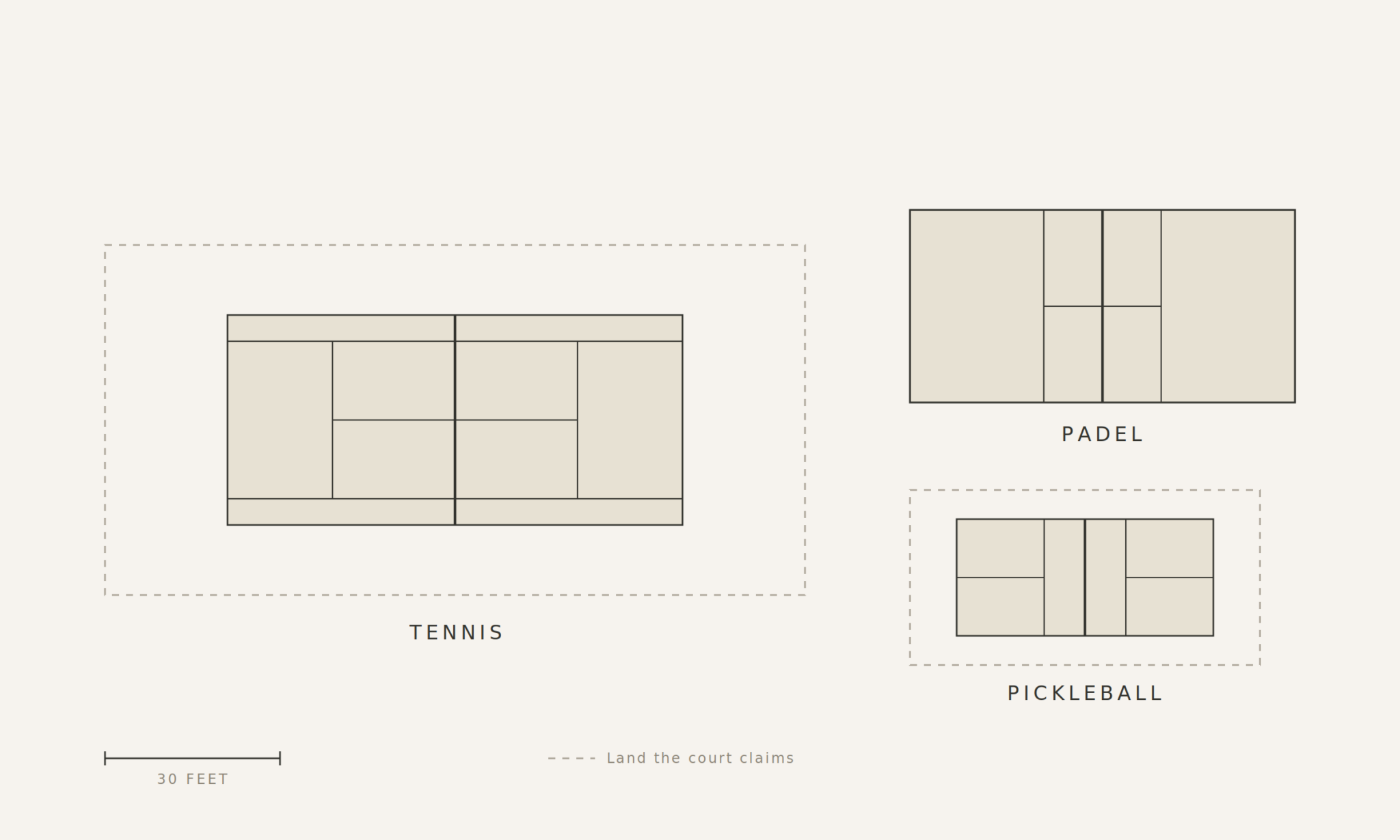
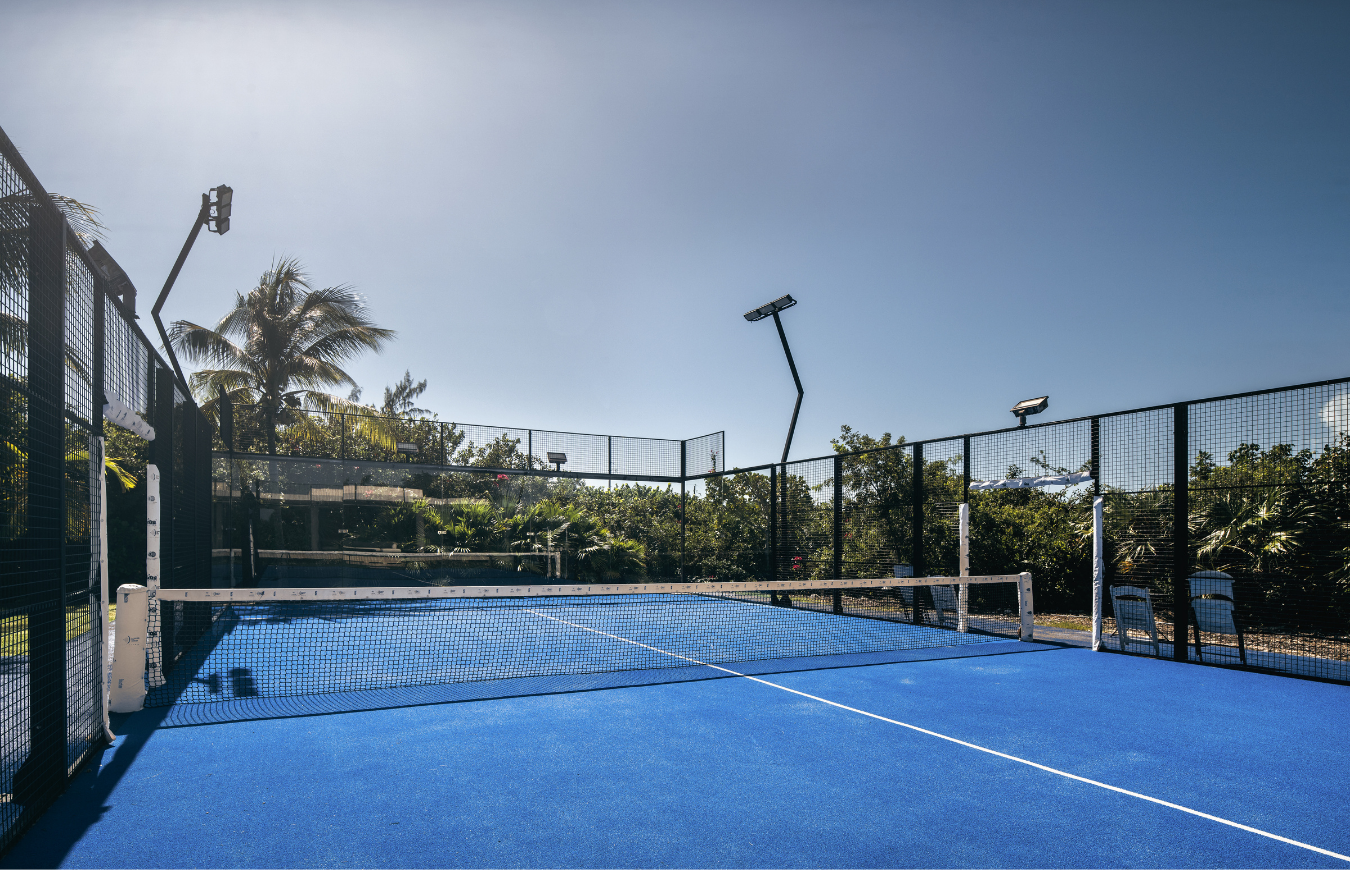
A padel court plays inside glass and mesh walls on a surface of 66 feet by 33 feet. Because the walls form the boundary, it needs almost no run-off, roughly half a meter of clearance, so the whole footprint lands near 2,500 square feet and can sit tight against a wall or a property line. A pickleball court is smaller again: a 20 by 44 foot playing area that fits, with its surrounds, in about 1,800 square feet. Either can slot into a corner of a property where a regulation tennis court never could.
So the same land offers different answers. A full court needs the one open expanse large enough to hold it. Padel and pickleball can take the leftover geometry: the side yard, the flat run near the water, the ground behind a guest house. They do not replace a tennis court, and they do not replace each other. Where there is room, they can sit alongside it. We wrote about padel’s rise on its own terms earlier this year. Landmaxxing is simply the setting where the space to consider all three actually exists.
If tennis is central to how a home will be used, we would start with the land. Not where a court could be painted, but whether the ground, or the ground plus the lot beside it, can hold a real one.
The court was never just a court. It is a claim on land, and land is what this market wants most. If you are looking for a home where the court had the room to be done properly, or you own one and want it understood by the people who value that, we would like to hear from you.
Until the next match,
Tennis Homes

A few years ago, a private padel court was a Spanish quirk. In 2026, it is one of the clearest signals of where racquet sport, and the homes built around it, are heading.
When we first wrote about padel in luxury homes, most of the momentum sat inside clubs and developments. That has changed. A new club now opens somewhere in the world roughly every two and a half hours, and the faster-moving story for our world is happening on private property.
The conversation around padel has changed. It is no longer only about the sport’s growth, but about what a private padel court adds to a home: more use, more flexibility, stronger lifestyle value, and a clearer point of difference in the market. For tennis estates, second homes, and new-build projects, padel has become part of the private-court conversation. Here is where the sport stands in 2026, and what its rise means for homes built around racquet sport.
The most recent Global Padel Report from Playtomic and PwC puts the global count at 58,300 courts, with the industry projecting 91,000 by 2028, and the sport is now established in more than 90 countries. One figure explains the rest: a 92 percent return rate after a single session. A sport that keeps that many first-time players is a sport people build around.
The United States is the market to watch. It crossed 1,000 courts in early April 2026 across 37 states, up from 688 a year earlier, with Florida holding around 40 percent of them and Texas, California, and New York close behind. Capital is following: the Pro Padel League raised 15 million dollars this spring, and the US Padel Association expects 30,000 courts and 10 million players in the country by 2030. Playtomic projects the US to show the strongest padel growth of any market through 2035.
The pull is cultural too, not only statistical. Kith opened Kith Ivy, a members-only padel and wellness club in New York’s West Village, with a Wilson collaboration on rackets and apparel. Golden Goose opened a nine-court padel arena in Milan and launched an activewear line with Babolat. When fashion houses build around a sport, the court stops reading as a fad and starts reading as culture.
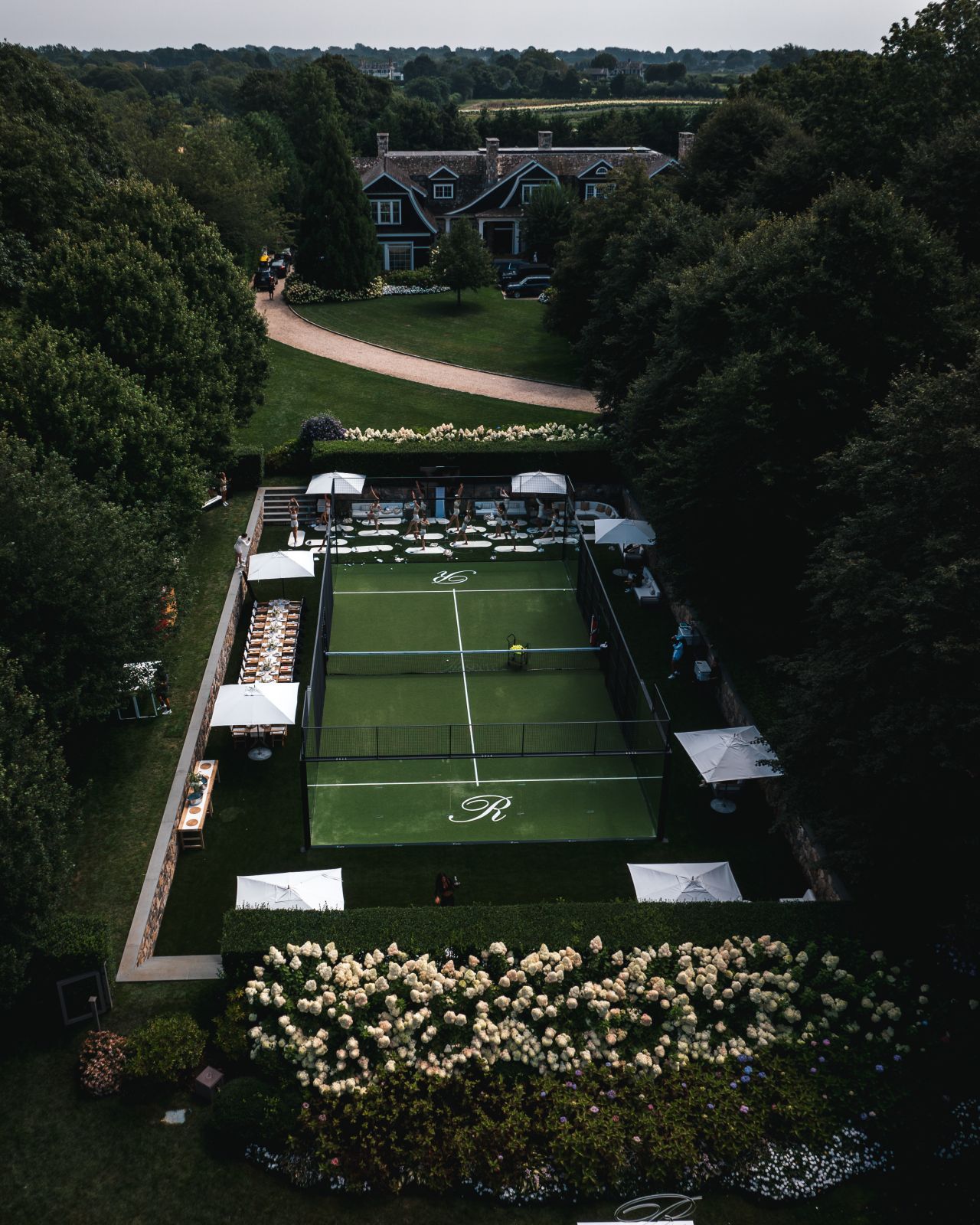
Reserve is the clearest version of the pattern. Wayne Boich put a padel court in the backyard of the Miami house he was building, added another at his home in the Hamptons, and started hosting exhibitions there in 2015. That became Reserve, now five clubs across Miami and New York, with a court division that builds custom installations for private residences. The brand started on private property and went back to it.
Image credit: Reserve Padel | The Reserve Hamptons Invitational
The shift that matters for our world is where those courts are going. In the US, private and residential courts are expected to make up a larger share of padel than in most other markets, particularly in Florida, Texas, and California, where luxury homes build padel in as part of the amenity package rather than as an experiment.
The clearest signal sits at the top of the market. At 111 West 57th Street in Manhattan, the only private padel court in a New York residence anchors the amenity floor of a building where condos run from 20 million to 110 million dollars, and Sotheby’s has called it one of the most-used amenities there. In South Florida, padel is going straight into residential communities. At SoLé Mia, the 184-acre North Miami development from LeFrak and Turnberry, Reserve opened a two-storey, 100,000-square-foot club with ten courts, positioned as an everyday amenity for residents rather than a novelty. When that is the read on what the next buyer wants, padel has stopped being a feature people tolerate and become one they plan around.
Part of the appeal is geometry. A padel court takes up roughly a third of the footprint of a tennis court, which makes it workable on plots where a full court would crowd out the pool or the gardens. Build estimates in the US run between 50,000 and 100,000 dollars per court, enough to read as intentional rather than decorative. And because padel is built for doubles, the court draws four people into a daily match, while the glass-walled structure reads as architecture in a way a fenced tennis court rarely does.
The growth comes with friction worth understanding. Padel courts can be harder to permit than their size suggests, partly because the sound of the ball against glass carries, and US projects that expected to open in six to twelve months have seen timelines stretch to two or three years. On a private estate, placement and acoustic planning decide whether the court is a pleasure or a complaint.
There is also what the court signals. Tennis still reads as legacy, pickleball as social and high-volume, padel as newer and more cosmopolitan. The strongest estates treat these as a portfolio rather than a choice, and padel is the piece that signals the home is current. For a buyer, the test is whether it was built as a destination or dropped in to claim the feature, the same logic we apply when reading a tennis court.
Across the homes we track, padel still appears on only a small number of properties, which is part of why a well-built private court is worth attention. We currently hold six homes with padel across sale and rental, with a few more kept privately within the network.
The homes that hold their value are the ones where the court was considered as carefully as the architecture around it. Padel does not change that standard. It gives owners a new way to meet it.
If you are weighing a court on land you own, or looking for a home where the court was built to be played:
Until the next match,
Tennis Homes

Few markets we cover hold as many private courts. The reason is older than most of the houses.
The Hamptons play a short season. Tennis here runs from roughly Memorial Day to Labor Day: three months when courts fill in the mornings, followed by a long stretch when many sit quiet under their covers. You might expect a place on that kind of calendar to treat tennis as an afterthought. The opposite is true.
Across the markets we study, the Hamptons have one of the densest concentrations of serious private tennis homes we have found: more courts, more intentional placement, and more owners who understand that a court can shape the life of a house. For a region that uses its courts for such a concentrated part of the year, that is a strange and telling fact.
If you are buying, selling, or renting a tennis home in the Hamptons, the court cannot be treated like a standard amenity. It belongs to a culture that predates the modern Hamptons entirely, and that history still shapes what gets built, where the court sits, and how much it matters to the property.
This is what the Hamptons understand about tennis that many luxury markets do not.

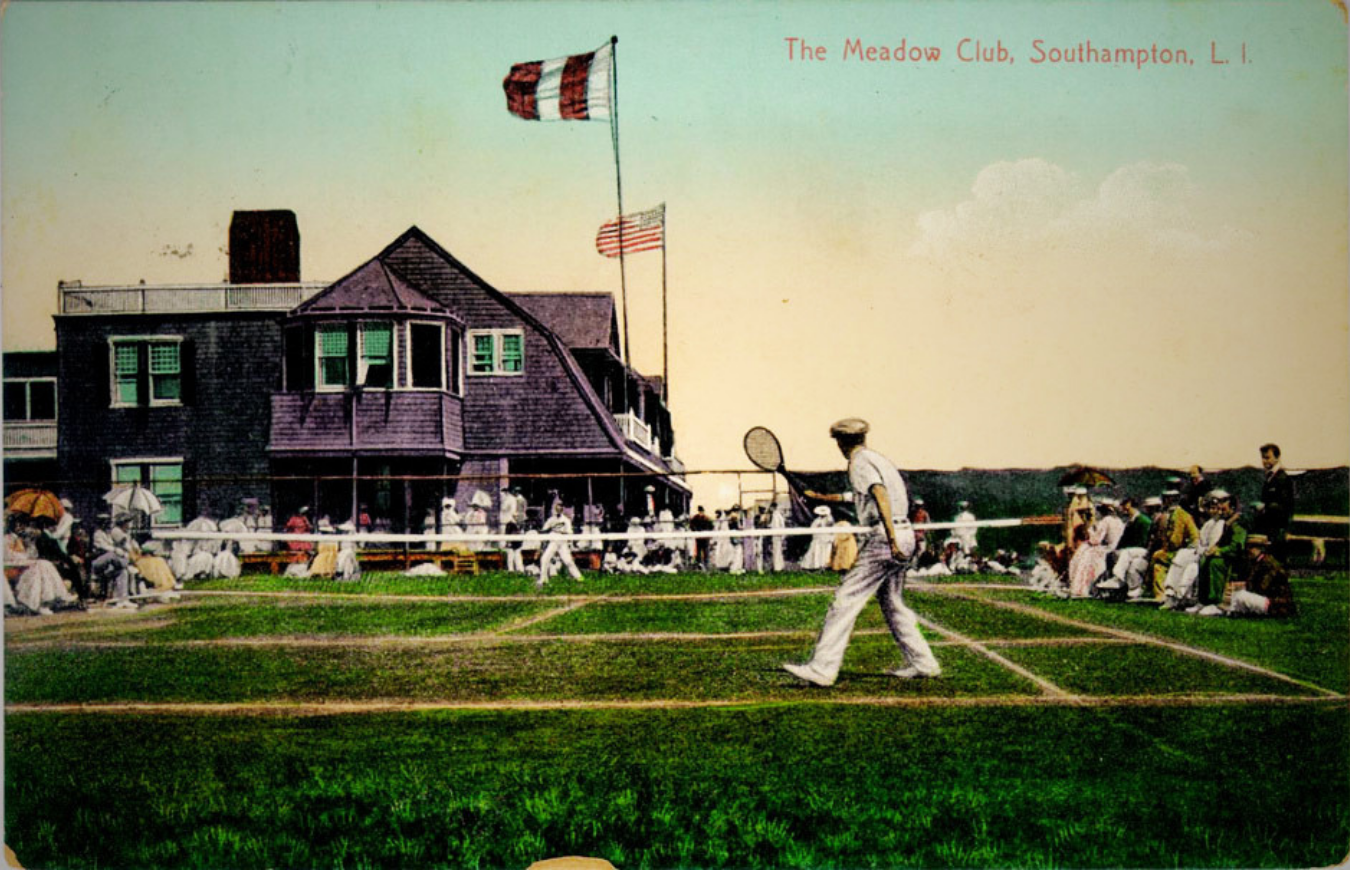
The Meadow Club, Southampton. Image via Tennis Time / Habitual Chic.
The story does not begin with a private court. It begins with a club.
The Meadow Club of Southampton was founded in 1887, on flat South Fork land with sandy soil and steady ocean air, conditions that happen to be unusually well suited to grass courts. A year later, the club launched the Southampton Invitation, a grass-court tournament that ran for eighty-five editions between 1888 and 1973. For decades it was a serious stop on the American grass circuit, alongside the Newport Casino, and served as a warm-up for the US National Championships in the years when those were still played on grass. Bill Tilden won it three times. Bobby Riggs won it four.
That history matters because tennis was woven into the social fabric of the Hamptons long before the region became shorthand for summer real estate. The club did not arrive to serve the houses. In many ways, the houses followed the club.
A tennis culture this old does not sit lightly on a place. It sets expectations. Those expectations get passed down through generations of owners who grew up watching the game played well, and who came to see the court as part of the property’s identity.
We happen to be writing this in grass season. Wimbledon is underway, and the surface that made the Meadow Club possible is the same one the sport returns to every summer. The Hamptons have been keeping that tradition quietly for nearly a hundred and forty years, which is useful to remember the next time someone calls Hamptons tennis seasonal. The season is short. The roots are not.
The paradox is the point. A short season did not limit Hamptons tennis. It concentrated it.
Summer on the South Fork has its own rhythm. Houses fill. Guests rotate through. The day starts early, before the beach, before lunch, before dinner runs long. The court fits that rhythm better than almost any other feature an estate can offer. It gives a house a reason to gather people in the morning. It gives three generations something to do together without leaving the property. In a place built around the social summer, a court earns its keep quickly.
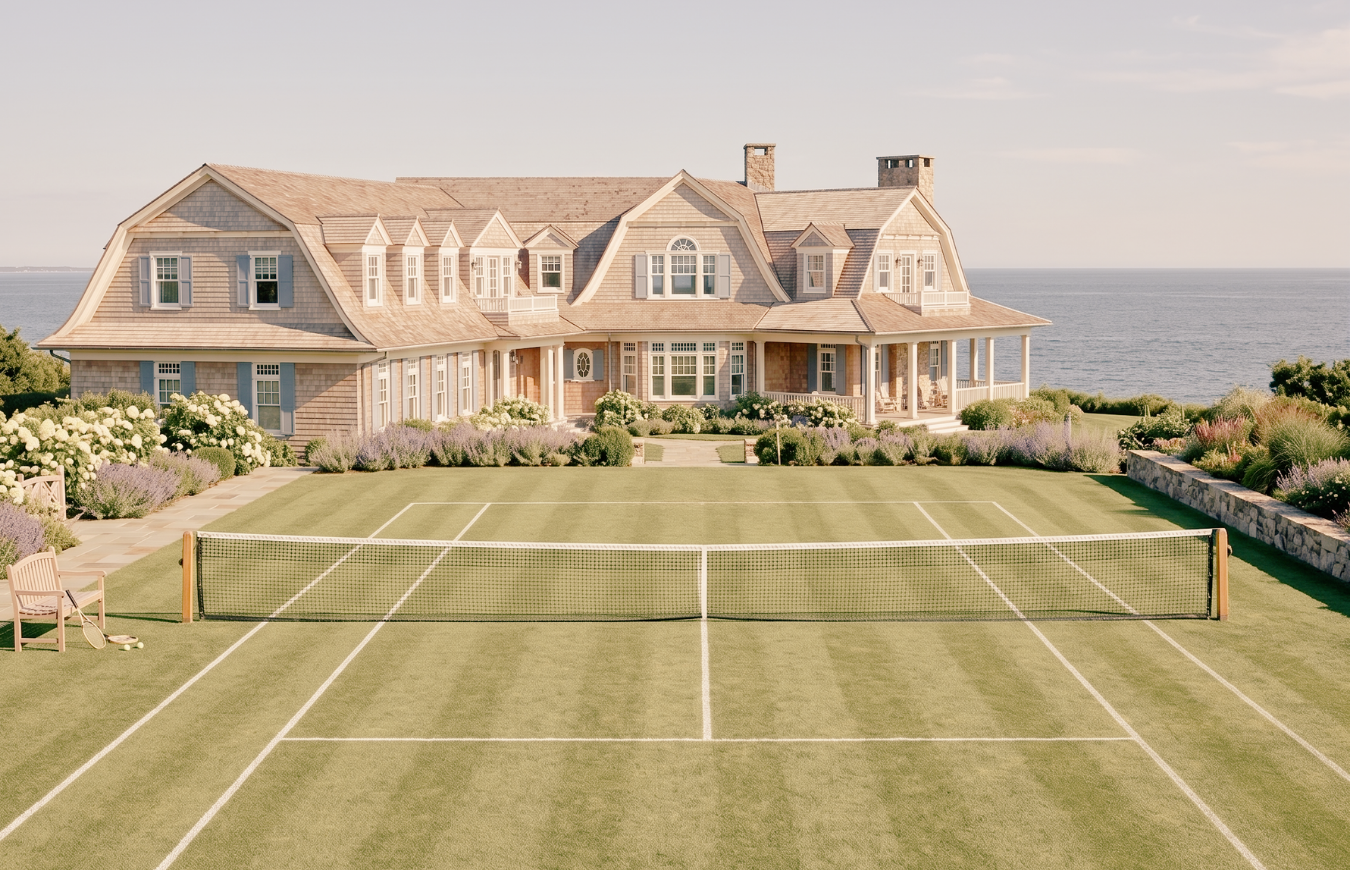
That is also why the surfaces here vary so much. Many private courts are hard courts, the practical choice: durable, low fuss, and ready the moment someone walks out with a racquet. A meaningful number of owners choose Har-Tru, the cushioned green clay that plays softer on the body and feels better suited to long summer use. Grass, the surface that started it all at the Meadow Club, remains the rare heritage option, kept by the few who want to play the game the way the Hamptons first played it.
Each surface says something about how the house is lived in. In the Hamptons, that decision is rarely accidental.

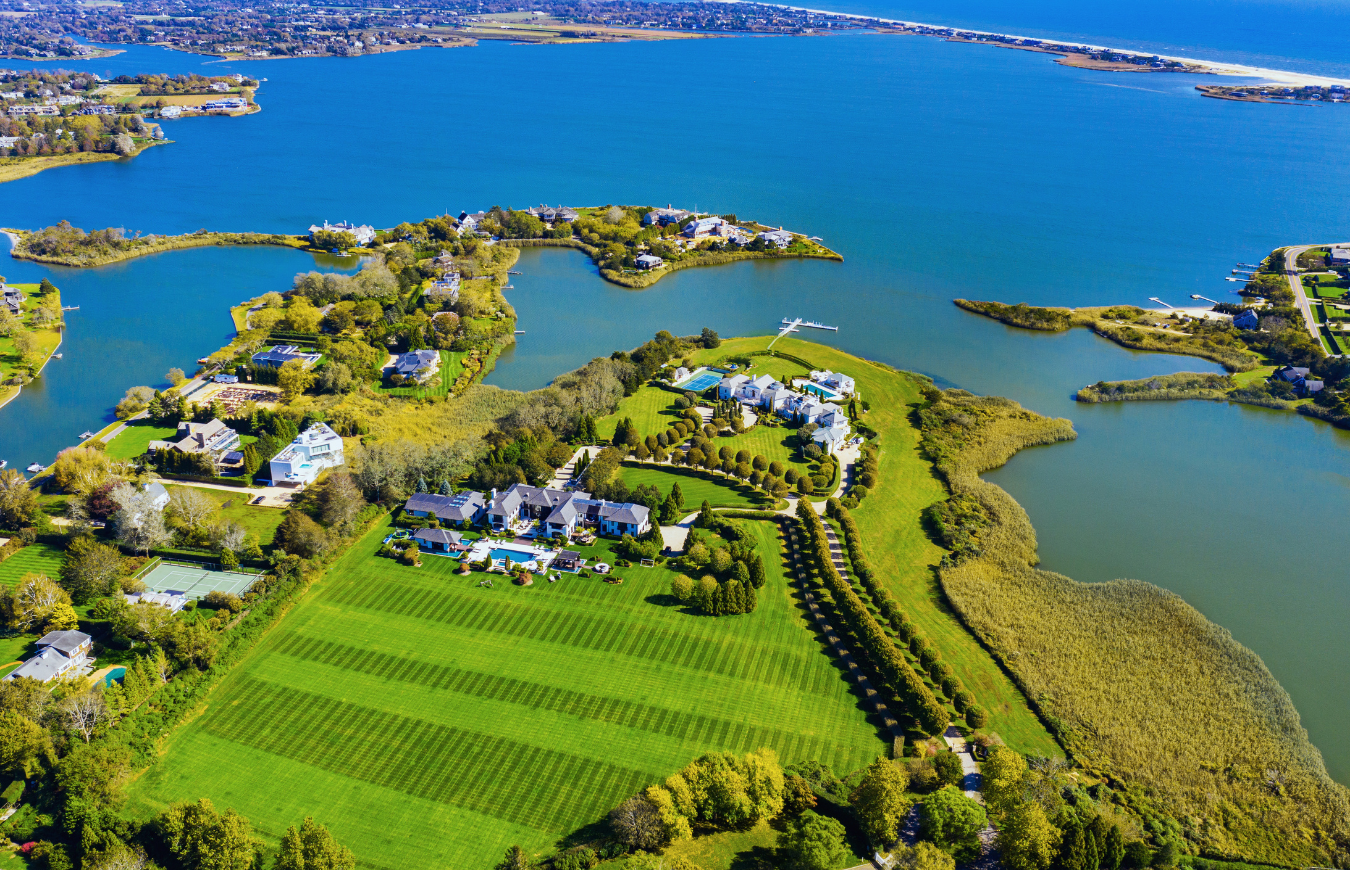
From above, the density of private tennis courts in the Hamptons becomes clear.
We have written before about reading an estate through its court, and the Hamptons may be one of the clearest places to see it.
When a court is properly oriented, well drained, generously bordered, and quietly screened from the house, it tells you the property was planned by someone who understood the game. When it is pushed to the edge of the lot as an afterthought, that shows too.
The strongest Hamptons properties treat the court the way they treat the pool, the gardens, and the approach to the house: as part of a single composition. Hedgerows do real work here, turning a court into a private outdoor room. The flat land that drew the Meadow Club founders in 1887 still does the same favor for today’s owners, making a true, level court possible without fighting the site.
That is where the court begins to affect value. Two homes can have similar square footage, bedroom counts, and locations, yet sit in different categories once you understand how the court was handled. In the Hamptons, where buyers tend to know the difference, that gap can be significant.
The Hamptons take their own way of life seriously enough to write it down. The region produces a steady stream of editorial around its design, seasons, sport, and culture, and that self-documentation helps keep the place coherent from one summer to the next.
We were glad to be included in one of those pages recently. The Hedgerow Gazette, a biannual publication on Hamptons living, featured Tennis Homes in its Summer 2026 edition, among stories spanning real estate, architecture, travel, and culture across the region.
What struck us was how naturally Tennis Homes sat within that world. The thing we care about, the court as a real part of how a home is lived in, is something the Hamptons has understood for generations.
That is the larger point. The Hamptons do not treat tennis as a trend to be added or dropped. They treat the court as part of the place, the same way they treat the hedges, the light, and the long summer evenings. A short season has never made the tradition feel small.
The Hamptons hold more tennis homes than almost any market we cover, and the best of them are the ones where the court was considered as carefully as everything else.
Know someone weighing a tennis home in the Hamptons, or anywhere the court matters? Send this their way.
Until the next match,
Tennis Homes

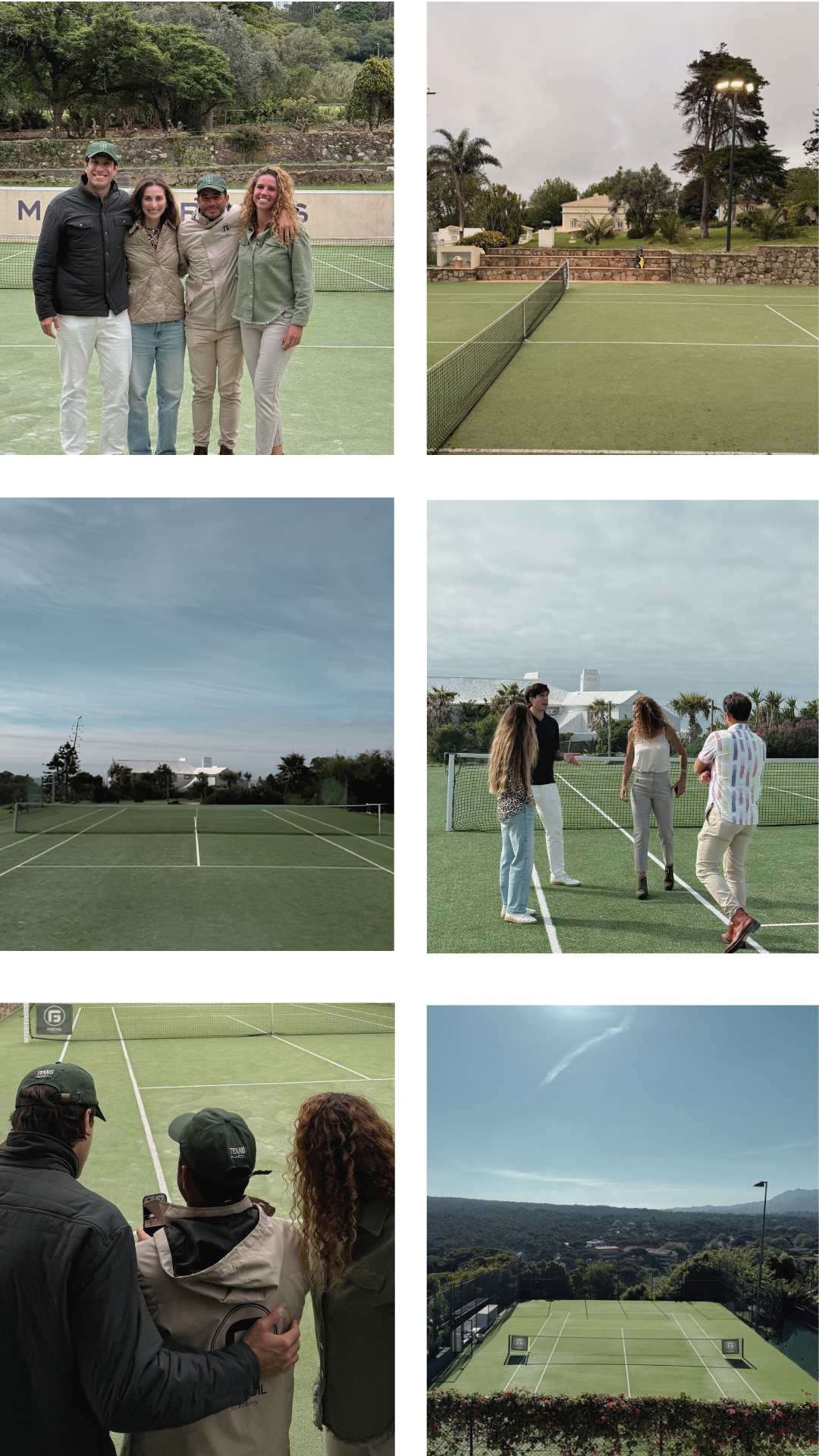
Inquiries for the Lisbon coast have moved in the past few months. Sale and rent, both. The pattern was steady enough that we got on a plane to see for ourselves what was happening on the ground.
Two days across Sintra and Cascais. Homes visited. Homeowners met. Guests already staying in one of our tennis homes. And the introduction that shaped the rest of the trip and a partnership we are now happy to share.
We had been watching this corridor for a while. The combination of climate, court culture, and the kind of homes that get built when tennis is part of the design, not an afterthought, makes it different from anywhere else in Europe.
What changed recently was the volume of conversation. More serious inquiries from buyers. More repeat renters looking specifically at this part of Portugal. Brokers we trust telling us the same thing in different words. By the time we landed, we knew the trip was less about discovery and more about putting a local layer in place.

Photo: Tennis Homes with Fred Gil & Rita Freitas
Fred Gil played on the ATP tour and reached the top 100. He is currently world number one in the 40+ ITF rankings. He is also someone who has spent his whole life on one court: the one at the family home where he grew up, where he trained as a pro, and where he still lives and plays today. The same court is now where he coaches.
That arc explains why he is the right person for us on the Lisbon coast. What makes this a partnership, and not a coaching arrangement, is everything that sits around it.
Fred’s family has been involved with real estate in this part of Portugal for a long time. He has been in and out of the tennis homes here since he was a child, on both sides of the conversation: as someone watching the courts get built, and as the player who could tell you which ones were built right. He knows the homes. He knows which ones have aged well and which have not. He knows the owners, the brokers, the academies, the players, the staff. The corridor is a small enough world that someone who has lived inside it at this level becomes a different kind of resource than any single role would suggest.
For us, that is the partnership. Fred Gil and his team are the local layer on the Lisbon coast. For guests renting in the area, that shows up as access to him and his team for tennis. For buyers, sellers, and anyone considering a move here, that shows up as a network we now have direct access to, with someone in it who reads a property from the court outward rather than the floor plan inward.
The wider team is part of that picture. We spent time with Rita Freitas, who works alongside Fred. Rita brings her own credentials: WTA experience, two-time world champion in the +35 category in 2022 and 2024, head coach of RFTeam, more than fifteen years of coaching, and a deep knowledge of the area in both tennis and real estate. Rita is part of the wider network we now rely on locally.
We have also connected with some of the strongest brokers working in Sintra, Cascais, and Comporta. This is the layer that did not exist for us in any depth before this trip, and is now in place.
The clearest way to show what the partnership actually means is to tell you what happened on the trip.
A family who was staying in one of our tennis homes during our visit had a complimentary first lesson with Fred as part of the booking. After one session, they asked for daily lessons for the rest of their stay.
Fred did not keep them on one court. He brought them to other tennis homes in the area to play on different surfaces and see other parts of the corridor. He also took them to his own court, which is built and maintained to very high standards, with the equipment and post-tennis space you would expect from someone whose life has been built around that one court.
By the end of the week, the family had seen more of the Lisbon coast than most return visitors do, and the trip had become about tennis in a way they had not planned. That is the version of the partnership we are happy to offer: a first lesson with Fred on us, and a team that thinks beyond the property line.
We also spent the morning with the owners of Quinta Paradiso, a property some of you will recognize from a recent newsletter.
The day confirmed something we already suspected. Photographs of this house read as conservative. The setting, the way the court sits within the property and the relationship between the main house, the pool, and the surrounding national park, all of it lands harder in person than in any image we have shared. The owners have put love and care into every detail of this home. You feel at home the moment you step inside. They walked us through the choices, and each one had a reason behind it.
It was that kind of trip across the board. Homeowners who care about these homes for reasons that go past the financial. A local team that knows the corridor at the level of the court and the community. And a market that is asking real questions about Portugal right now.
This corridor is the part of the country where we now have the deepest local layer. Tennis homes for sale and for rent, courts of different surfaces, homeowners who care, brokers we now work with directly, and Fred and his team as the connective tissue across all of it. For anyone buying or selling here, that is the network we can now put in front of you.
For guests renting through us in the area, the partnership also includes a first lesson with Fred on us, and a team that will think beyond the property line for the rest of the stay.
Some of what we have here sits on the public portfolio. Select homes we share privately. If you are looking for one in this corridor, or you own one and are thinking about how to position it, we would like to hear from you.
Until the next match,
Tennis Homes

Most people who build or buy a private tennis court are not thinking about income. They are thinking about Saturday mornings, family weekends, the satisfaction of having a place to play without booking a slot or sharing a court with strangers.
That instinct is right. The court is a personal asset first. What it can become beyond that is a separate conversation, and one that most owners have not had simply because nobody has framed it clearly.
This is not an argument for renting out your court. Some owners will read this and see genuine opportunity. Others will feel more certain that the court stays private. Both are valid. What matters is knowing what the asset is worth and what the options look like, regardless of what you decide to do with that knowledge.

The most straightforward path is renting the property itself, with the court as the primary reason a guest chooses it over something comparable.
Short-term lets, a week or a month, attract a specific profile. Tennis families looking for a base during a tournament period. Groups of players who want to train together somewhere private. Guests who have exhausted the standard vacation rental market and are looking for something with a more specific offer. In markets like the South of France, the Caribbean, and the Hamptons, a clay or hard court in good condition can meaningfully change the conversation around a rental.
Longer arrangements, six months to a full year, attract a different kind of tenant entirely. Often someone considering a market before committing to a purchase. A family that needs a base for a school year. A serious player who wants consistent access to a private court without the commitment of ownership. These tenants tend to be quieter, more careful with the property, and less interested in the social activity around the court than in the court itself.
In both cases, the court is not just an amenity listed alongside the pool and the guest bedrooms. It is the reason the property gets shortlisted.
Featured: Quinta Paradiso
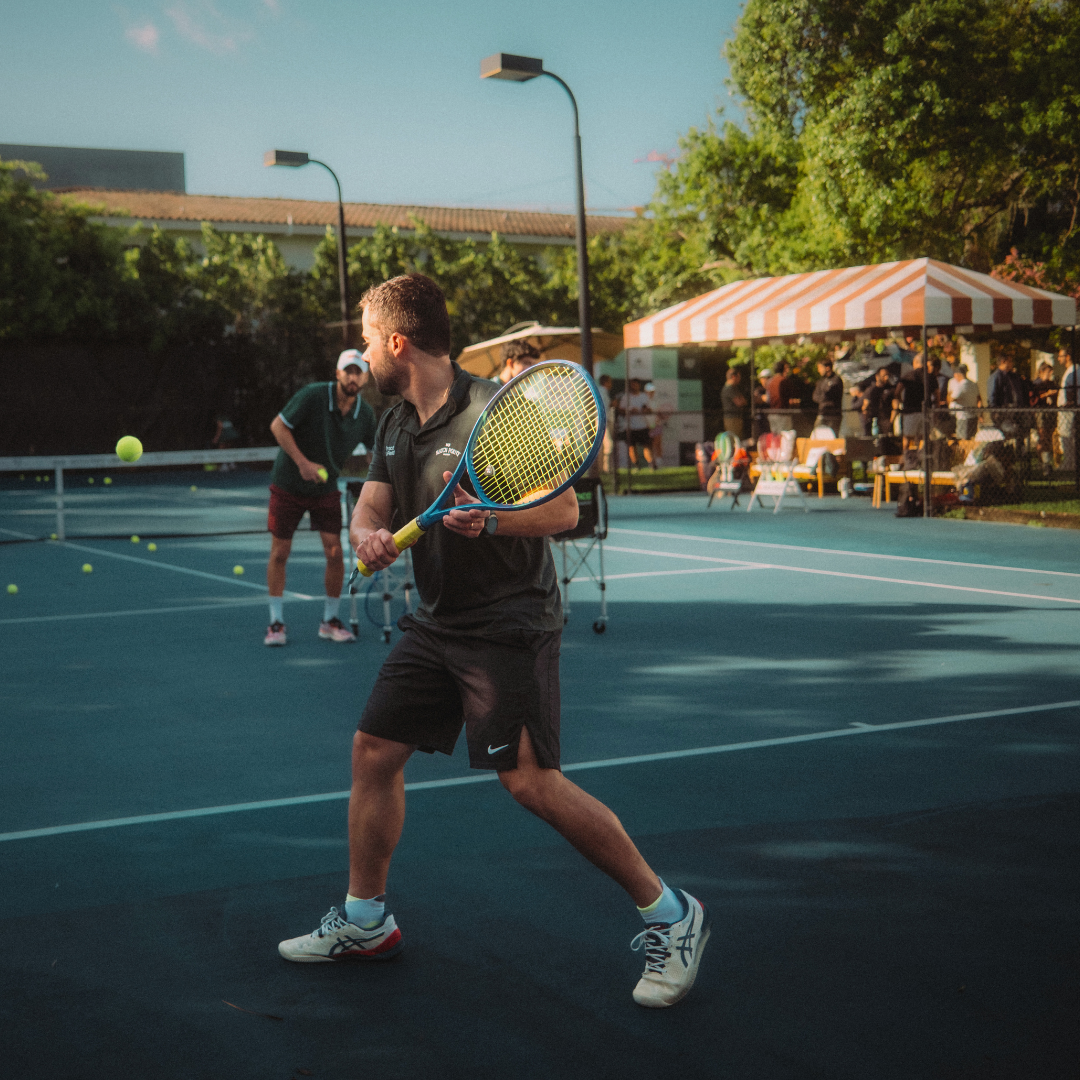
The court as an event venue is a more considered decision than a rental. It involves opening the property to a group in a different way, and the owner needs to be clear about what that means in practice: how much of the estate is accessible, what the logistics look like, and where the line is between a well-run event and an intrusion on the property.
When those questions are answered well, the court becomes the anchor for something memorable. A private tennis day for a group of clients. A corporate retreat with court sessions built into the programme. A birthday gathering where the court provides the activity and the setting provides the atmosphere.
The properties in the Tennis Homes network that work well for events tend to share one quality: the court is integrated into the broader life of the estate rather than sitting at the edge of it. A pavilion, outdoor dining, somewhere to gather after play. The court starts the afternoon. The property carries it.
Featured: EQI Match Point Mansion Miami 2026

This is the category most owners have not considered, and the one that tends to generate the most interest once they understand what it involves.
Brands need locations. Fashion houses, automotive companies, sports labels, hospitality groups, and editorial teams are in a constant search for environments that feel real, private, and visually distinctive. A well-maintained private tennis court, particularly one set within a considered estate, offers something a studio cannot replicate. Texture, light, scale, and the suggestion of a life actually lived there.
A single production day is the entry point. A brand rents the court and a portion of the estate for a shoot. The owner sets the terms, the access is defined and limited, and the property appears in campaign imagery that will reach the brand's audience.
Content licensing arrangements go further. The property becomes a recurring visual asset for a brand across a season or a campaign. The court appears in multiple pieces of content, the brand association is more sustained, and the arrangement is negotiated accordingly.
For owners who are protective of their privacy, this category requires careful consideration of what the images will be used for and where they will appear. For owners who are more open to it, a well-chosen brand partnership can be a light-touch and high-value arrangement that leaves the property exactly as it was found.
Featured: Jacob & Co x Zverev Collection Launch
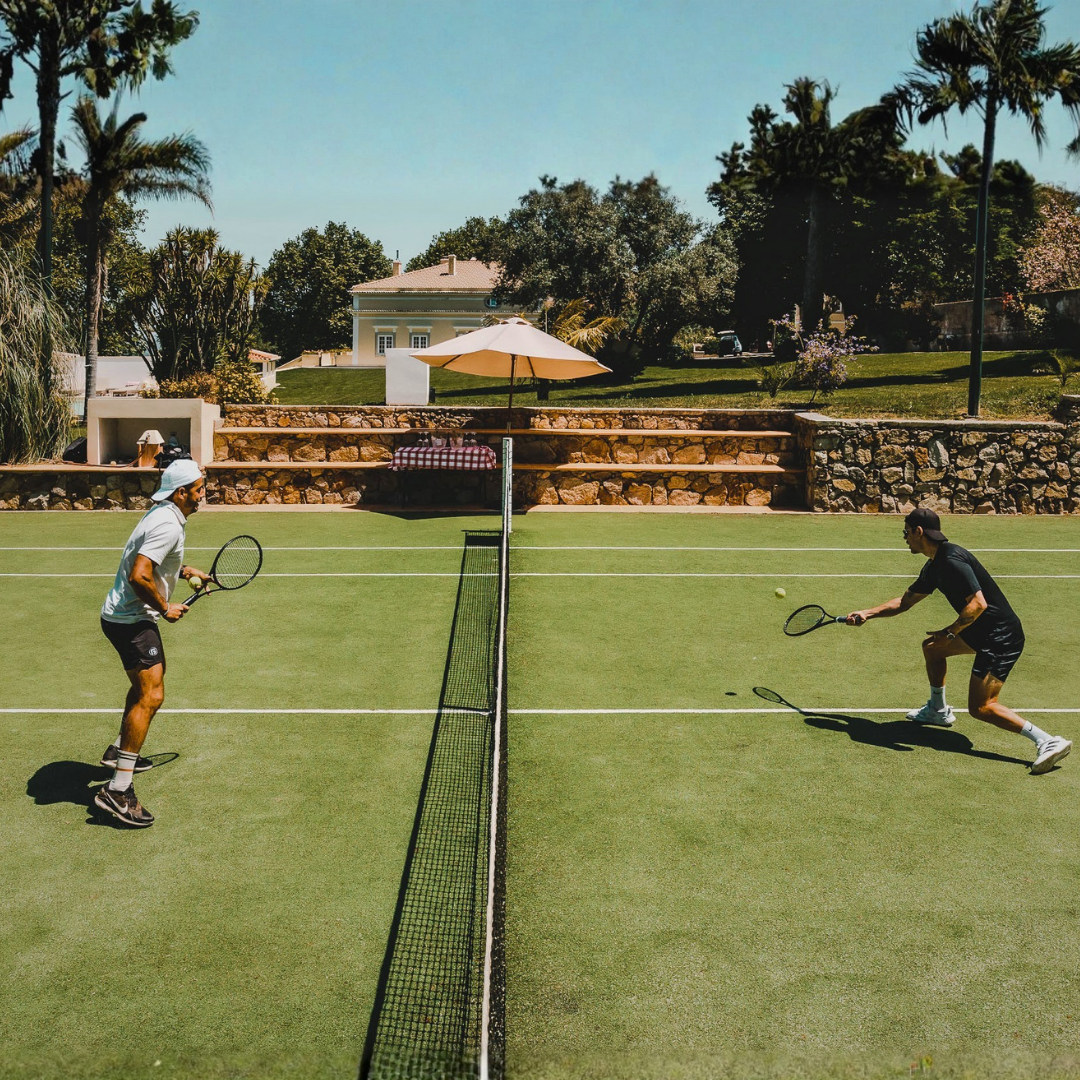
The most overlooked option is also the one that asks the least of the property.
The owner does not rent the home. They rent the court. And in some cases, they do not even frame it as a rental at all.
Coaching residencies and clinics bring a small group to the court for an intensive period. A week, a weekend, a recurring programme. The coach uses the court as a base, guests pay for the experience, and the owner's involvement is limited to access and some basic logistics. The home stays private. The court earns its keep.
Floating club arrangements work on a similar principle. A curated group of members pays for recurring access to a private court, typically at a time that suits the owner and does not interfere with personal use. No listing, no public profile, no noise. Just a small number of people who understand how to behave on a private estate and value the access accordingly.
Both models are growing quietly, particularly in urban and peri-urban markets where private court access is genuinely scarce and the demand from serious players far exceeds the supply. In our network, the conversation around this kind of arrangement has increased noticeably over the last two seasons.
Featured: Fred Gil Academy

None of these paths require a decision today. They require awareness.
A private tennis court is an asset with more dimensions than most owners explore. Some of those dimensions are financial. Others are about the kind of life the property can support, the connections it can generate, and the role it plays in the broader story of the estate.
The owners who think about this clearly tend to make better decisions, whether that means monetizing access in a way that feels right for them, or deciding with confidence that the court stays entirely their own.
Both outcomes start with the same thing: knowing what you have.
Until the next match,
Tennis Homes

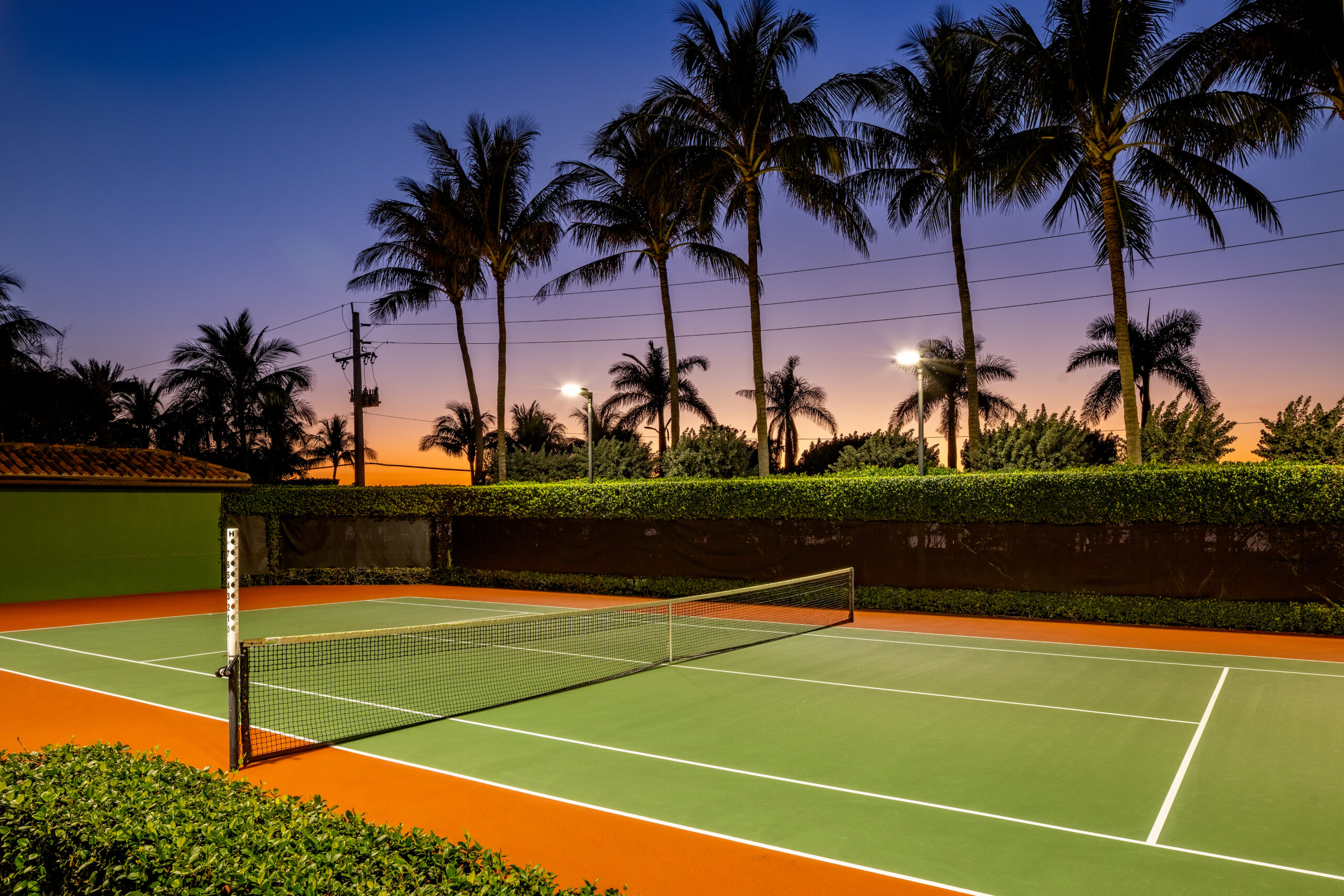
Evening sessions after work. Cooler hours in August. Late games when guests arrive. None of that happens without the right lighting.
Lighting is also one of the most misunderstood investments on a private estate. Owners either underestimate what a proper system costs, or spend money without knowing what separates a thoughtful installation from a mediocre one. The gap between the two is significant.
In the United States, based on data from hundreds of 2025 and 2026 installations across private, club, and school facilities, LED lighting for a single tennis court ranges from roughly $41,000 to $219,000 for a new system.
That gap is not a rounding error. It reflects the difference between a basic four-pole setup that delivers functional illumination for casual play and a professional-grade installation with six to eight poles, precision-engineered beam control, smart home integration, and structural foundations built for wind load and long-term permanence.
The retrofit of an existing system – replacing older metal halide fixtures with LED – runs between $16,000 and $128,000 per court, depending heavily on what existing infrastructure can be reused. There are effectively three paths:
| Retrofit Approach | Estimated Cost (per court) | What Gets Reused |
|---|---|---|
| LED retrofit kits (fixture swap only) | $15,000 – $40,000 | Poles, wiring, housings |
| Full fixture replacement | $40,000 – $80,000 | Poles and wiring |
| Complete system upgrade | $80,000 – $130,000+ | Foundations only |
The cheapest option replaces the bulb and ballast but keeps the original pole positions. That works if those positions were thoughtfully placed to begin with. Often they were not, which is why many owners who retrofit without addressing the layout end up with an improved system that still produces poor light.
At the lower end, a system delivers adequate light. The court is visible after dark. For some owners, that is enough.
At the higher end, the investment pays for something fundamentally different.
Pole placement matters more than most people realize. Lights positioned incorrectly create glare during serves – one of the most disruptive problems a player can face on a night court. A properly designed system places fixtures along the sidelines at heights between 8 and 12 meters, angled to eliminate blind spots without blinding anyone looking up for a toss.
Beam control is the other major variable. Entry-level fixtures use general-area floodlight optics that scatter light in a wide, symmetrical pattern. Light spills onto neighboring properties, onto fences, into the surrounding landscape. Premium systems use asymmetric precision optics – internal reflectors and specialized lenses that cut light at the court perimeter and direct it onto the playing surface with accuracy.
The right lux standard for a private estate matters too. The International Tennis Federation and the Illuminating Engineering Society define lighting quality in classes. Class III – the residential and club standard – requires a maintained average of 500 to 750 lux with a uniformity ratio of at least 0.7. That is sufficient for tracking a ball moving at over 100 mph without creating the kind of intensity that reads as a stadium to the neighborhood next door. It also requires a Color Rendering Index of 80 or higher, which improves the visual contrast between the ball and the surface — a detail that becomes more important as players age. Class IV systems, which sit below that threshold at 200 to 300 lux, are functional for casual use but are not what most serious players or high-value estates should be running.
Smart controls add the final layer. Modern LED systems integrate with home automation platforms including Crestron, Lutron, and Savant. Owners can program scenes: full intensity for competitive play, 60 percent for practice, a low ambient level for safety or atmosphere. They can set automatic curfews that comply with local ordinances without ever thinking about it again. For dual-court properties, controls allow lighting only the active court, reducing both energy consumption and unnecessary spill light.
The upfront investment looks different once the operating costs are factored in.
A standard 1,000W metal halide fixture runs approximately $500 per year in electricity at average US rates. An equivalent LED operates at 300 to 400 watts and costs $150 to $250 per year. Across a typical six-fixture court running four hours per day, the annual electricity bill under metal halide is around $1,500. Under LED, it falls to roughly $460. That is a reduction of approximately 70 percent.
Metal halide systems also carry maintenance costs that are easy to underestimate. Bulbs operate under high pressure and temperature, degrade quickly – losing around 20 percent of output in the first six months – and require specialized equipment to replace. Annual maintenance costs for a legacy system typically run between $2,000 and $3,000.
Over ten years, the total cost of ownership tells a clear story:
| System Type | Initial Investment | Energy (10 yrs) | Maintenance (10 yrs) | 10-Year Total |
|---|---|---|---|---|
| Legacy Metal Halide | $25,000 – $35,000 | $45,000 – $60,000 | $35,000 – $55,000 | $105,000 – $150,000 |
| Standard LED | $35,000 – $50,000 | $15,000 – $20,000 | $5,000 – $13,000 | $55,000 – $83,000 |
| Premium LED | $50,000 – $75,000 | $18,000 – $25,000 | $3,000 – $5,000 | $71,000 – $105,000 |
A premium LED system costs more upfront than a standard one. It costs the same or less than a legacy system over a decade, and far less in operational friction. The court is always ready. No contractor visits, no 20-minute warm-up times, no bulbs failing mid-match.

Featured: Oroville Circle Estate | Shannon Weed and Nicolai Glazer, Pacific Sotheby’s International Realty
Cost is only part of the equation. In many desirable locations, the real question is whether lighting can be installed at all.
Coastal New York. In some communities in and around the Hamptons, local ordinances have been written in ways that make standard tennis court lighting practically impossible. Restrictions have capped pole heights at 10 feet, limited wattage to 150 watts per fixture, and required full downward-facing dark-sky compliance. For context: a 10-foot mounting height on a full-size court creates hot spots near the poles and dark voids at the center. Achieving even Class IV standards under those constraints requires specialized low-height bollard arrays that are significantly more complex and expensive than a standard installation.
France. In 2018, France passed one of the most comprehensive national laws on light pollution in the world. The Decree of 27 December 2018 applies to both public and private properties and establishes mandatory curfews – typically 10 or 11 pm – after which exterior lighting must be dimmed or extinguished. It also restricts color temperature to no more than 3,000K in most areas, and as low as 2,400K in nature reserves and sensitive ecological zones. The upward light ratio is capped at less than 1 percent, requiring fixtures that produce virtually no sky glow. For a private estate in Provence, the Côte d’Azur, or the Basque Country, lighting a court requires compliance with this law. That means specific fixture types, specific aiming, and sometimes formal documentation.
United Kingdom. Installing floodlights in the UK is classified as “development” under planning law. It requires full planning permission, not just a permit. Applications in Conservation Areas and near heritage sites are particularly sensitive. Authorities commonly require a formal Lighting Assessment demonstrating that the installation will not disturb nesting wildlife, neighboring residents, or the visual character of the area. In some rural and countryside settings, this process results in rejection. Retractable floodlights – systems that lower when not in use – have occasionally been approved as a compromise, though they add significant mechanical complexity and cost.
For a detailed breakdown of how regulations work across different markets and what buyers should verify before committing to a property, we covered this earlier in Tennis Court Lighting Regulations: What Homeowners Need to Know.
Outside the US. For international installations, reliable comparable cost data is harder to source with confidence. What we know from working across markets: Western Europe tends to track US costs or run higher once VAT, planning fees, and engineering documentation are factored in. Labor costs in Southeast Asia and parts of Latin America can run 20 to 40 percent lower, though the availability of qualified sports lighting contractors varies, and the quality risk at the lower end of the market is real.
Looking across the properties in our network, the courts that have been lit thoughtfully tend to share other qualities. Better surfaces. Better fencing. Pavilions or seating nearby. Owners who actually play.
The light is a signal. It tells you something about how seriously the rest of the property was considered.
For international buyers who may arrive jet-lagged, or play during the cooler hours of a European summer evening, a properly lit court is not optional. It is part of the reason the property works.
If lighting is part of how you think about a tennis home, we can tell you quickly whether a specific property and location make that realistic. Sometimes the better path is finding a home where that work has already been done.
</a >
Until the next match,
Tennis Homes

We use cookies to personalize your experience and analyze our traffic. See Privacy Policy for more information. Not consenting or withdrawing consent, may adversely affect certain features and functions.
You’ll receive a confirmation email. Unsubscribe from any issue.
The Tennis Homes Newsletter shares homes defined by sport, design, and location. Expect select listings, market context, and stories from within the tennis lifestyle.
You’ll receive a confirmation email. Unsubscribe from any issue.
The Tennis Homes Newsletter shares homes defined by sport, design, and location. Expect select listings, market context, and stories from within the tennis lifestyle.
Properties and editorial, once a week.