

August 18, 2026
Cover Feature: Malibu Tennis Mansion | Amber Reed, Compass
Why an Existing Lit Court Is Different
For two weeks at the end of every August, the most watched tennis in the world is played after dark. Night sessions are the signature of the last Grand Slam of the year, and they are the reason a certain kind of buyer starts thinking about lights on their own court.
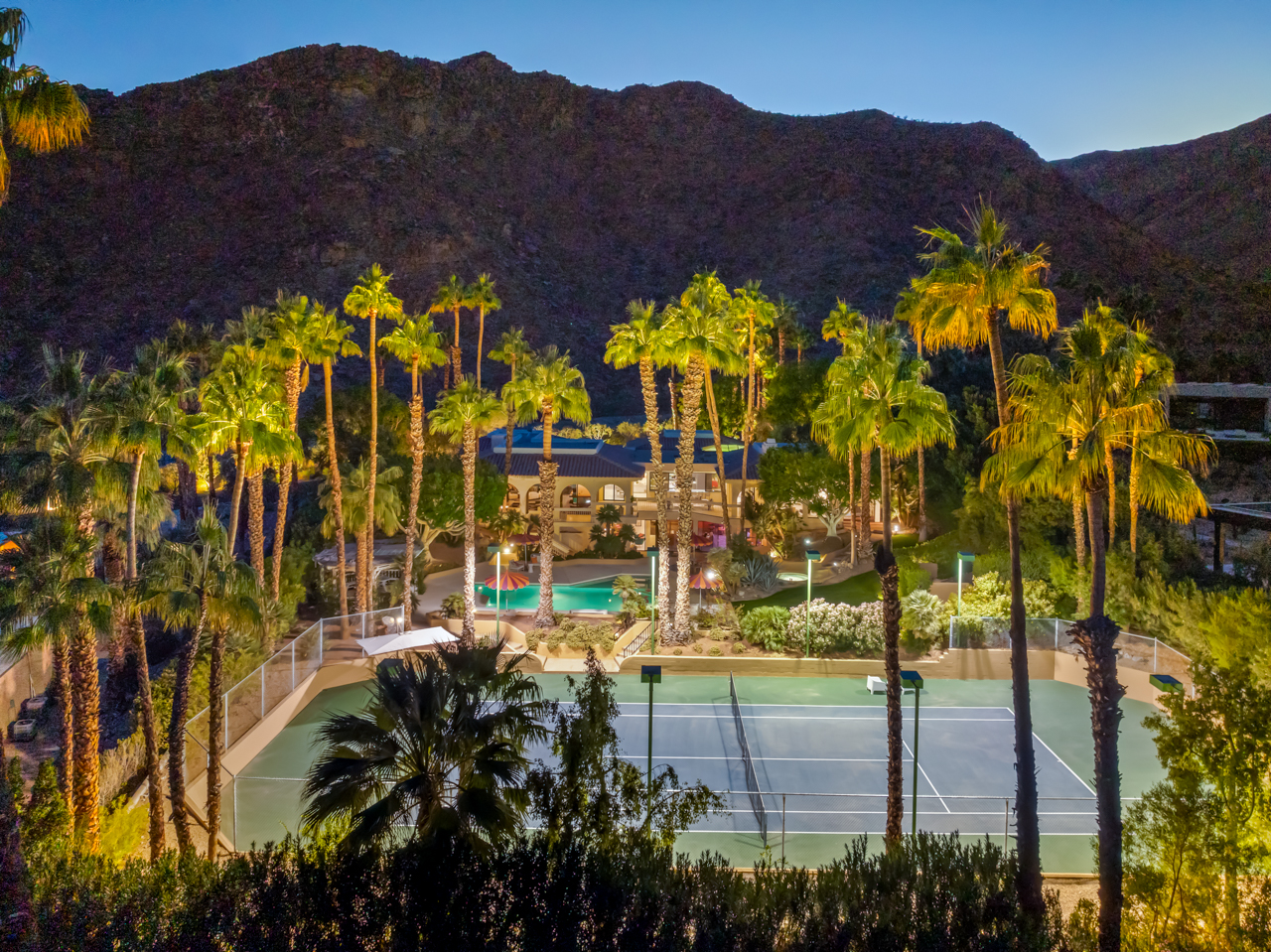
Here is the part that rarely comes up. In a growing number of the markets where private courts are most desirable, tennis court lighting rules mean that court could not be lit today. Not at any budget. The lights that exist are there because they were installed before the rules changed, and the rules have since closed behind them.
That changes what an existing lighting system is. It is not a convenience that a future owner can add. It is a right attached to the property, and rights of this kind can be lost more easily than most owners expect.
What Grandfathered Actually Means
The formal term is legal nonconforming use. A court lit under the rules that applied at the time keeps the right to stay lit when a stricter ordinance arrives, because zoning changes are generally not applied retroactively to what was already lawful.
The important detail for a buyer is that the protection attaches to the property, not to the person. It does not reset when the house sells, and it cannot be purchased separately or applied for after the fact. Either the lights predate the rule or they do not.
This is not a fringe scenario. Writing about tennis estates in California, Forbes Global Properties noted that Los Angeles County restricts residents from building new courts with lights, and that buyers therefore favor an estate where the lights already exist. That is the whole dynamic in two sentences: the restriction creates the scarcity, and the scarcity shows up in what buyers want.
We covered how these regimes differ across markets in Tennis Court Lighting Regulations: What Homeowners Need to Know, including national light pollution law in France and the planning permission requirement in the UK. What that piece did not answer is the question underneath it, which is what happens to an existing system when its owner decides to improve it.
The Upgrade That Ends the Right
This is where owners get caught.
Protection covers continuing what is already there. It does not automatically cover replacing it. In a number of jurisdictions, swapping old fixtures for new ones is treated as a fresh installation rather than maintenance, and a fresh installation has to meet the current standard. The permit application that was meant to modernize the court is the same application that measures it against rules it was never built to satisfy.
The language in the codes is explicit. In Flagstaff, Arizona, the first International Dark Sky City, the zoning code requires an outdoor lighting permit before the installation, modification, or replacement of any outdoor light fixture, and states that any modification of an existing fixture must comply with the division. It goes further. Where cumulative replacements of legally installed fixtures reach 25 percent or more of the lumens the property would be permitted today, the entire property must be brought into compliance.
Los Angeles County's Rural Outdoor Lighting District ordinance applies to new lighting, major additions, and replacement lighting alike. Within that district it also sets a curfew: outdoor lighting off between 10 pm and sunrise.
So the owner who decides to retrofit to LED, for entirely sensible reasons, can find that the decision is not reversible. In What Private Tennis Court Lighting Actually Costs we set out the retrofit economics, from a fixture swap at the low end to a complete system upgrade at the high end. Those numbers still hold. What they do not capture is the risk sitting alongside them, which is that in a restricted market the cheapest path and the safest path may be the same one, and the expensive path may cost the court its lights entirely.
Two other ways the protection ends are worth knowing.
The first is amortization. Some municipalities do not grandfather indefinitely. They set a compliance deadline instead. Boulder, Colorado adopted its outdoor lighting ordinance in 2003 and gave owners with non-compliant existing installations fifteen years to comply. As of November 2018, every property must demonstrate compliance. Fifteen years is long enough that most owners stop thinking about it, which is exactly the problem.
The second is discontinuance. Nonconforming rights are generally tied to continued use, and a system that sits unused or falls into disrepair can be treated as abandoned. The threshold varies by jurisdiction and needs to be checked locally. The principle does not vary: a court that goes dark for long enough may not get to come back on.
What to Ask Before You Buy
None of this is visible in a listing. A property description says lighted court. It does not say under what permission, or whether that permission survives a bulb.
The questions that resolve it are short.
Were the lights permitted, and when?
A dated permit is the whole answer. If the lights predate the current ordinance, that date is the asset.
Is there documentation of nonconforming status?
Some jurisdictions issue a certificate. Many do not, in which case the permit history and evidence of continuous use carry the weight.
What triggers a new application here?
Ask the municipality directly, not the contractor. The question is specific: does replacing fixtures on this court require compliance with current standards, and at what threshold.
Is there a curfew, and what is it?
A lit court with a 9 pm cutoff is a different property from one with no restriction. Both are worth having. They are not the same thing.
If the system were damaged, could it be rebuilt?
Nonconforming structures often lose protection when damage passes a defined threshold. In storm exposed markets this is a real question rather than a theoretical one.
For sellers the list is the same, assembled in advance. A permit file ready at the point of offer removes the one thing a careful buyer would otherwise use to discount the court.
The Court That Cannot Be Rebuilt
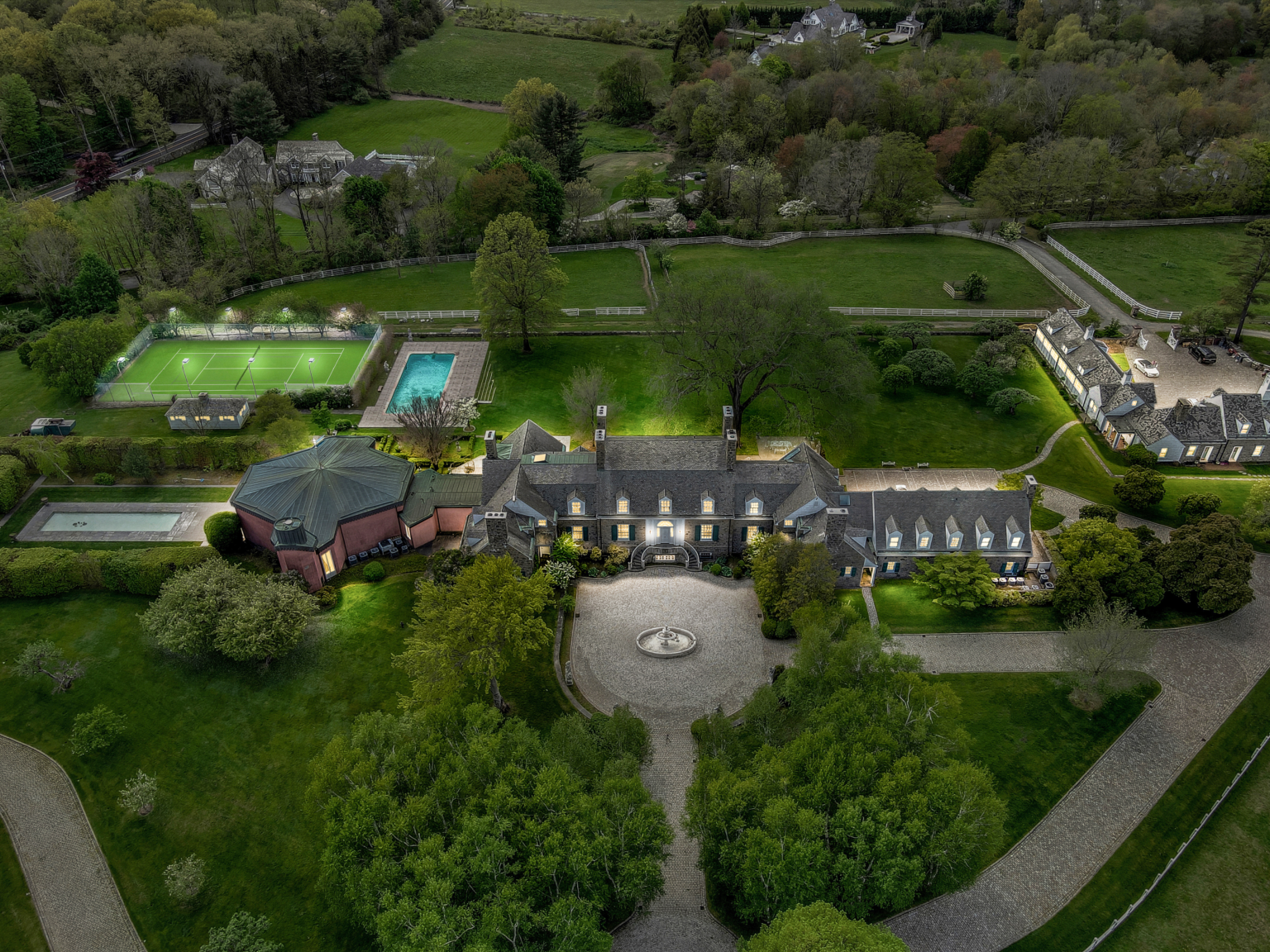
In a market where new floodlights are not being approved, two courts that photograph identically are not equivalent assets. One plays after dark. The other never will, and no amount of money changes that.
The difference is a piece of paper, and it is knowable before you make an offer. We can tell you quickly whether a specific court and market make evening play realistic, and what to ask for before you commit.