

September 10, 2026
Cover Feature: Tenuta La Serenata | The Luxury Travel Book
Two kinds of good week
Every private court has good hours. The useful question is where they fall in the month you are going, and what the house can do to give you more of them.
Some of the best tennis we see happens in the middle of August, at seven in the morning and again at seven at night, in places where nobody would play at two. And some of the easiest happens in October, when the same court runs all day and the house is quiet.
Both are good weeks. They just ask different things of the property. Across the villas with private tennis courts we rent, the gap between a long playing day and a short one comes down to three things, and all of them are easy to check before you book.
The surface decides how bad the middle of the day gets
This part is not a matter of opinion.
A 2024 study published in Scientific Reports measured heat across tennis court surfaces through a full summer. Hard courts came out hottest, sand-filled artificial grass close behind, clay measurably cooler. The recommendation was direct: play less in the early afternoon, and move the game to the morning, the evening, or under lights. The ITF's surface selection guidance says the same from the construction side, that climate should decide the surface before anything else does.
So in high summer, clay buys you the longest afternoon and an unshaded hard court the shortest. In spring and autumn it barely matters. Same court, different month, different question.
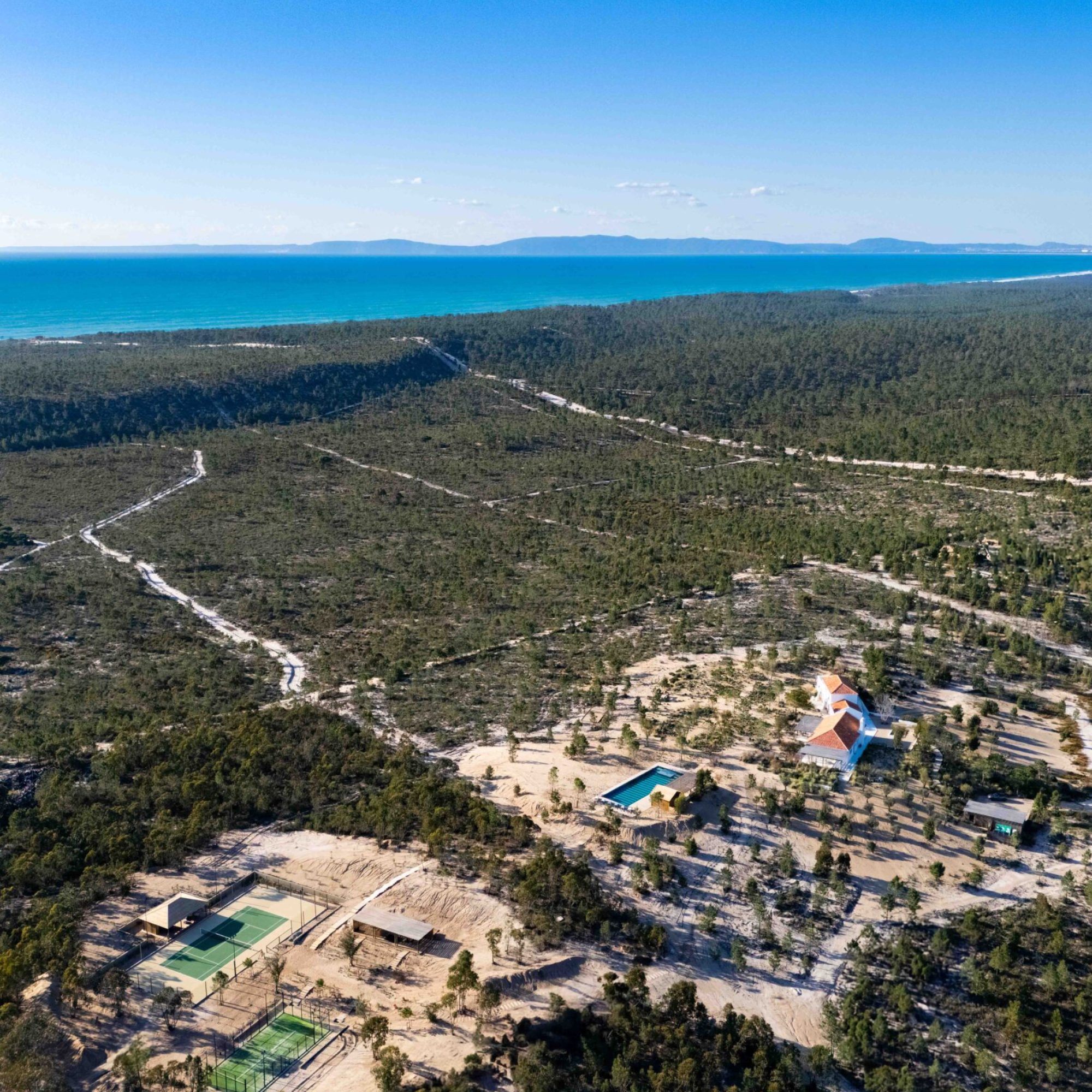
Where the hours fall
Country by country, when the day runs longest and what to ask for when you are going outside that window.
| Country | Longest playing days | Ask for |
|---|---|---|
| France | May, June, September, October | The coast holds the summer afternoon better than the interior. Inland, ask for lights |
| Italy | June and September | Elevation. The hills and lakes hold the afternoon far longer than the coast |
| Morocco | March, April, October, November | Clay and lights. Both are common here, and together they cover the summer |
| Spain | May, June, September, October | Shelter around the court. Island courts are often the most exposed part of the property |
| Portugal | April to June, September, October | Little. Summers here are milder than most people expect |
| Greece | May, June, September, October | Shade near the court, and lights on the hotter islands |
| Turks and Caicos | December to April | Every court here is lit, so ask about the sport instead. Padel and pickleball sit alongside tennis |
| St Barths | December to April | Lighting is a given. If you are travelling in autumn, ask about the hurricane calendar |
| US Virgin Islands | December to April | Lit as standard. The driest, steadiest weeks are late winter |
| Thailand | February to April | Also lit throughout, so the month matters more than the court. Rain is what moves here, not heat |
Three of those deserve a sentence more.
France is the one that surprises people. The Riviera coast stays moderate right through the summer, while an hour inland is a properly hot July. Provence in August is excellent tennis at either end of the day, which is why a lit court there is worth asking for specifically.
The Caribbean runs on a different calendar entirely. The Atlantic hurricane season runs June to the end of November, and the long dry stretch is the northern winter. It is also the only place we work where playing after dark is simply how the court gets used. The day divides at nine in the morning and eight at night, and the middle belongs to the water.
Thailand catches people out because Koh Samui sits on the wrong side of the country for the southwest monsoon, so its wet season arrives when the mainland's is ending. Late autumn is the wet stretch and late winter into spring is the dry one. Rain there tends to come hard and briefly rather than all day, so an hour's patience usually gets the game back.
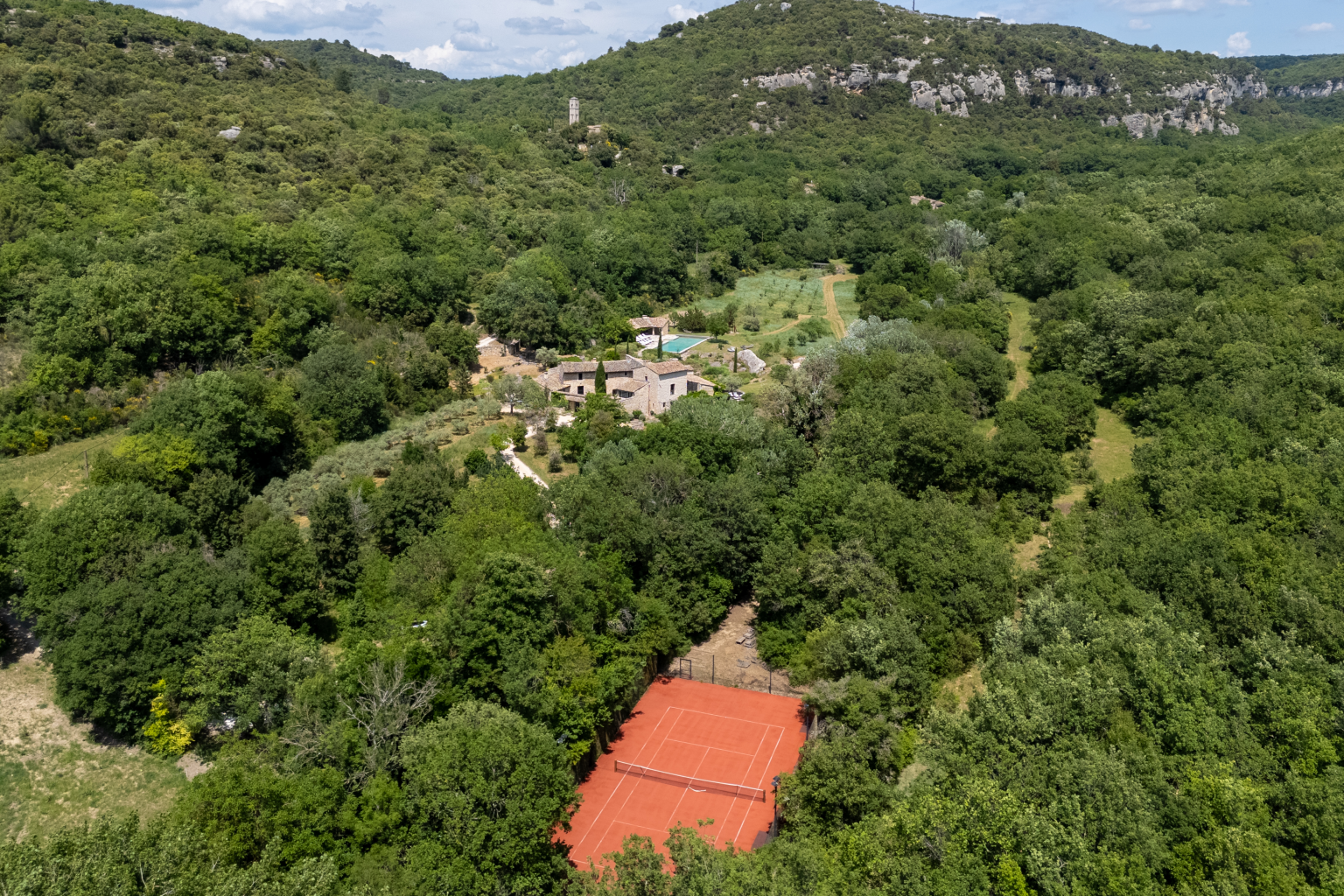
Three things that hold the day open
Lights. The only feature that adds hours rather than moving them. A little over half the courts we rent are floodlit, and the pattern is worth knowing. Everything we hold in the Caribbean and Thailand has lights. In Morocco, every padel court is lit. In France, roughly half are, which is why it is the first thing we check on any property we take on. Lighting is stated inconsistently on most listing sites, so ask rather than assume.
Surface matched to the month. Clay for the heat, hard court for spring and autumn, and if the trip is a summer one, the combination of clay and lights is the longest playing day money can buy.
Somebody looking after the court. A court is a maintained surface, not a fixed feature, and how it is kept changes the week more than most things in a listing. Clay wants watering and brushing, and through a hot week it plays differently on Friday than it did on Monday depending on whether anyone has touched it. Hard courts want sweeping and a clean surface, particularly under trees. Some houses have this built into the service, with a groundsman who does the court alongside the garden or a local club that sends someone. Others arrange it when guests ask. Either way it is rarely spelled out, so the question worth asking is simply how the court is maintained and who does it. It tells you a great deal about how seriously the court is taken in that house.
Find the court that suits your month
Tell us your weeks and whether you intend to play every day. We hold surface, lighting and court detail on every home we rent, and it is frequently more accurate than what is published elsewhere. We will come back with two or three that fit the month, and what to expect from the court while you are there.
Know someone planning a court-led trip? Send this to them.