

July 30, 2026
Clay is clay. Grass is grass. Everything else about an acrylic court was decided by somebody, and most of it is still readable.
The Same Court, Different Orders
That is the part that disappears when a listing says hard court and moves on. Every private hard court is the result of choices someone made before it was poured: the pace, the feel underfoot, and the number of years before it needs real money.
A court built for a family playing long rallies and a court built for a big server are different orders placed with the same contractor. Neither looks different from the driveway.
Why this matters
For a buyer, an owner, or a broker positioning a court-led property, the surface line on a listing is close to the least informative thing on it. Two homes can both say hard court and be twenty years apart in what they will cost to keep. This is a look at the decisions buried under the paint, and at what the research does and does not support about playing on them.
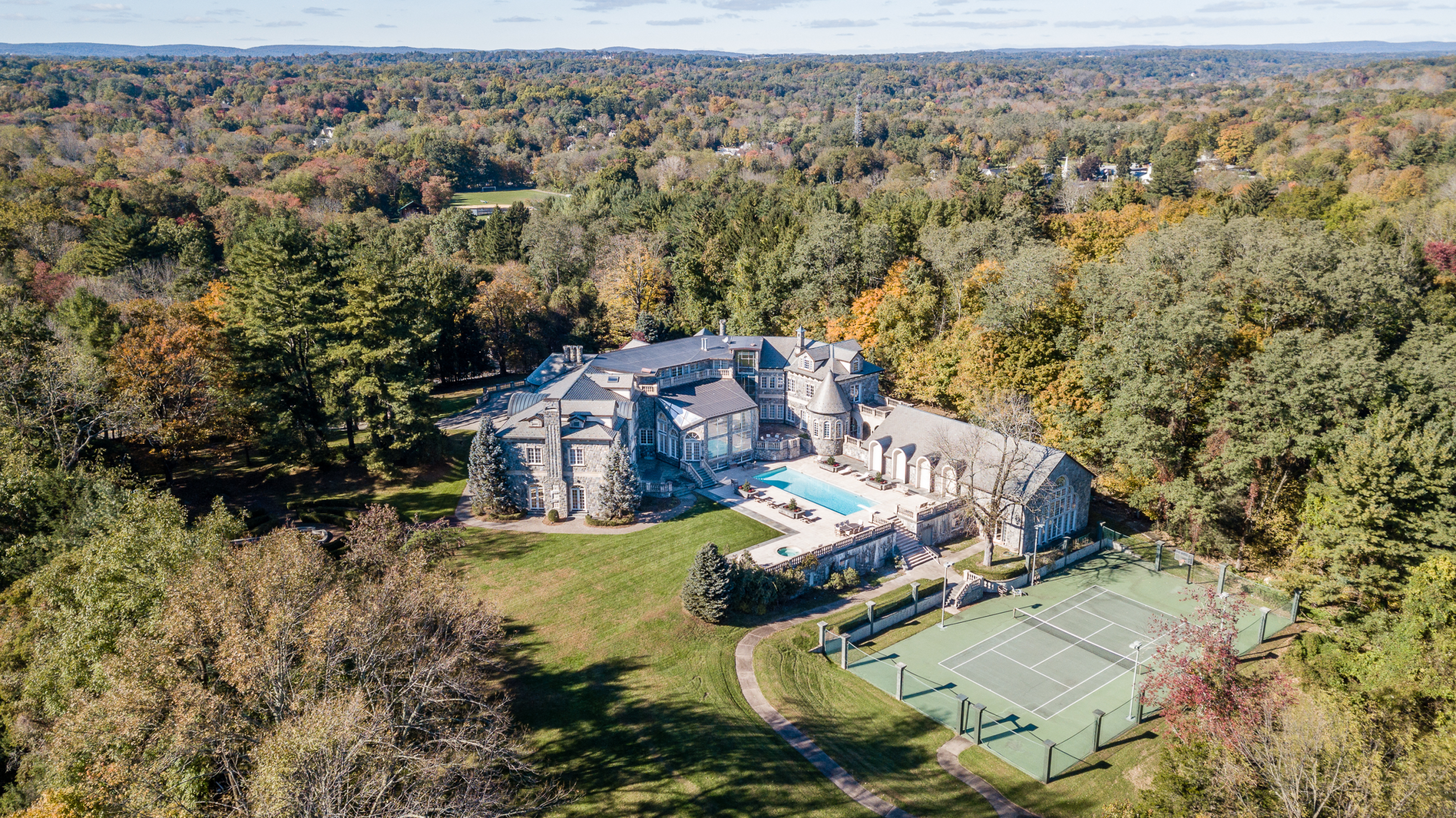
The Private Hard Court Nobody Describes
Across our portfolio, over 70% are listed with a hard court, with multi-court homes counted under each surface they have. Synthetic turf is next at around 16%, clay sits near 7%, and grass and Har-Tru each account for under 3%. It matches what we find on the road. The courts we walked this year in the Hamptons and around Miami were mostly hard, with a few Har-Tru and the occasional red clay.
The wider picture points the same way. The ITF counts 698,034 courts worldwide and finds 55.3% of them acrylic, though that survey reaches clubs and public facilities rather than the court behind a private gate. Two of the four majors are played on acrylic, and both changed supplier in the same year. The US Open moved from DecoTurf, in use since 1978, to Laykold in 2020. The Australian Open moved to GreenSet the same season. Both are acrylic. They do not play the same.
We have written about what each surface asks of an owner, about the private grass court, and about red clay in the Hamptons. Each stands on its own terms. The hard court has simply never been given the same attention, and it holds up to it.
The decision is under the paint
An acrylic court is a rigid base with coatings on top. We took apart how those coatings are assembled in The Science of Hard Courts. The base underneath is the part that gets less attention, and it is either asphalt or post-tensioned concrete. That single choice drives almost everything that follows.
Asphalt is the more common and lower-cost option. It is a flexible material, so it moves with temperature and ground conditions, and that movement eventually surfaces as cracking. Industry guidance puts an asphalt base at roughly ten to fifteen years before it needs significant crack repair. Post-tensioned concrete is cast as a slab held in compression by internal steel cables, which resists that cracking. Builders and engineers put its service life at twenty five years and often thirty or more. It typically costs 20 to 30% more to install.
Here is the part that gets missed. Both need resurfacing on the same schedule. The acrylic coatings wear out and are recoated roughly every four to eight years, whatever is underneath. Resurfacing is a recoat, not a rebuild, and it costs a small fraction of replacing the base. So the base does not change the routine work. It changes whether the routine work is all you ever do.
On an asphalt court, by the time the first resurfacing comes due, cracks usually need repairing first, and that repair is added to every cycle from then on. On a post-tensioned slab, cracks are typically hairline when they appear at all.
This is readable on site. Wide, wandering cracks through the playing area point to asphalt reaching the end of its useful life. Fine hairlines, or none, point to a slab still doing its job. The court tells you which one you are buying.
Speed is a specification
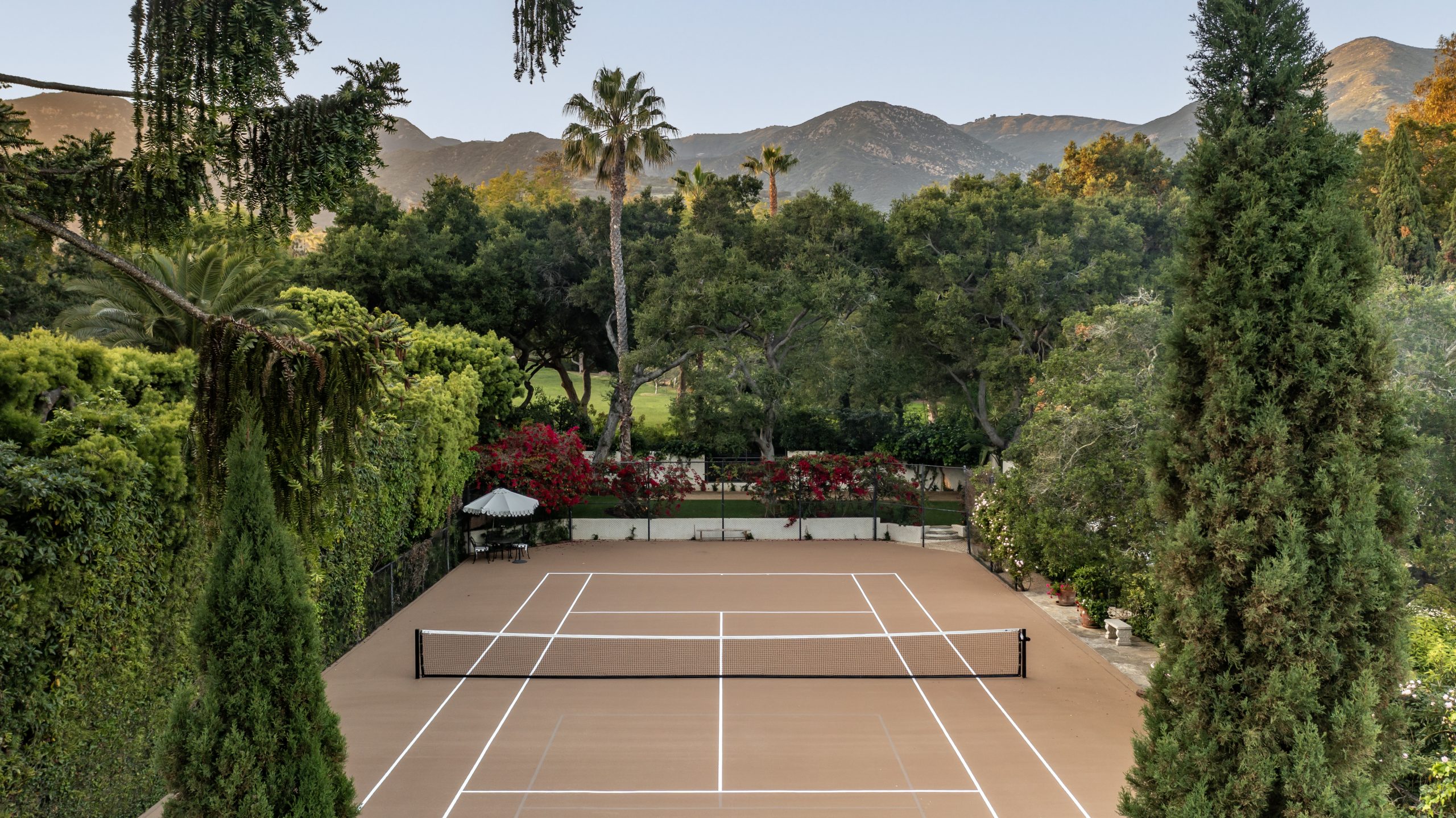
The ITF runs a Court Pace Classification Programme that rates surfaces from 1 to 5: slow, medium slow, medium, medium fast, fast. Pace is measured by firing a ball at the surface with an air cannon and recording its velocity before and after the bounce. Rougher surfaces create more friction and slow the ball. Higher bounce also slows play, because it gives the returning player more time.
Clay sits at the slow end. Grass sits at the fast end. Acrylic covers the entire range. Manufacturers supply systems classified across all five categories, and a single product line can hold several classifications at once.
That is the point most owners never hear. When you build an acrylic court, the pace is not a byproduct. It is an order. The texture and the sand content in the top coats do that work, and they are set at the same moment the colour is.
Ask what the court was classified as, or what it was finished to. If nobody knows, that itself is useful information.
The body question
The reputation of the hard court is that it is hard on the body. The evidence is more interesting than the reputation.
At professional level, the pattern is real. Reviews of injury incidence across surfaces find higher rates on hard courts than on clay, concentrated in the lower limbs, attributed to higher friction and the loading of hard cutting and stopping rather than the controlled slide clay allows.
At the level most private courts are played at, the picture changes. A study published in the British Journal of Sports Medicine in 2018 by Pluim, Clarsen and Verhagen looked at recreational players and found no difference in injury rates between playing surfaces.
Which moves the question somewhere more useful. Not whether a surface is safe, but how often you play and how you like it to feel. An owner who plays twice a month and an owner who plays every morning are asking different things of the same court. We know owners in both groups, and the daily players tend to notice cushioning within a week.
That is what cushioned acrylic systems are for. Rubberised layers set between the base and the top coats, available in a range of thicknesses, softer underfoot and slightly slower through the ball. They can be specified at build or added at the next resurfacing, which makes this one of the few court decisions that stays open.
What the court will tell you
A hard court keeps a record of the decisions made when it was built, and it does not hide them well. The cracks report the base. The colour and grain report the pace it was finished to. The give underfoot reports whether anyone thought about the person who would be playing on it every day.
Most listings will not tell you any of that, because most listings stop at the word. The court itself is more forthcoming, and it costs nothing to stand on it for a minute longer than the tour allows.
Until the next match,
Tennis Homes Team