

August 6, 2026
Cover Feature: The Hamptons Tennis Estate | Breitenbach Advisory Team with Compass
Observing the Pattern
The Hamptons is one of the densest concentrations of private tennis homes in the world. Spending more time there, walking properties, talking with families, understanding how people actually use these homes, we’ve started to notice patterns that repeat year after year.
One of them involves coaches and guest houses. It’s a model for private court coaching that’s reshaping how expertise actually works around the court.
What We Observed
The pattern is consistent wherever we see it: seasonal homes, strong tennis culture, families with established coaching relationships.
A coach arrives at the start of the season. Lives in a guest house at one estate. Teaches at two or three others within the region. Families already know this coach. They’ve worked together before. Some relationships span years. Each summer, the coach returns. Families see progress. The cycle continues.
These aren’t club coaches with rotating students. They’re building their season with families who’ve planned around them. The families have chosen to structure their summer around continuity with someone they trust.
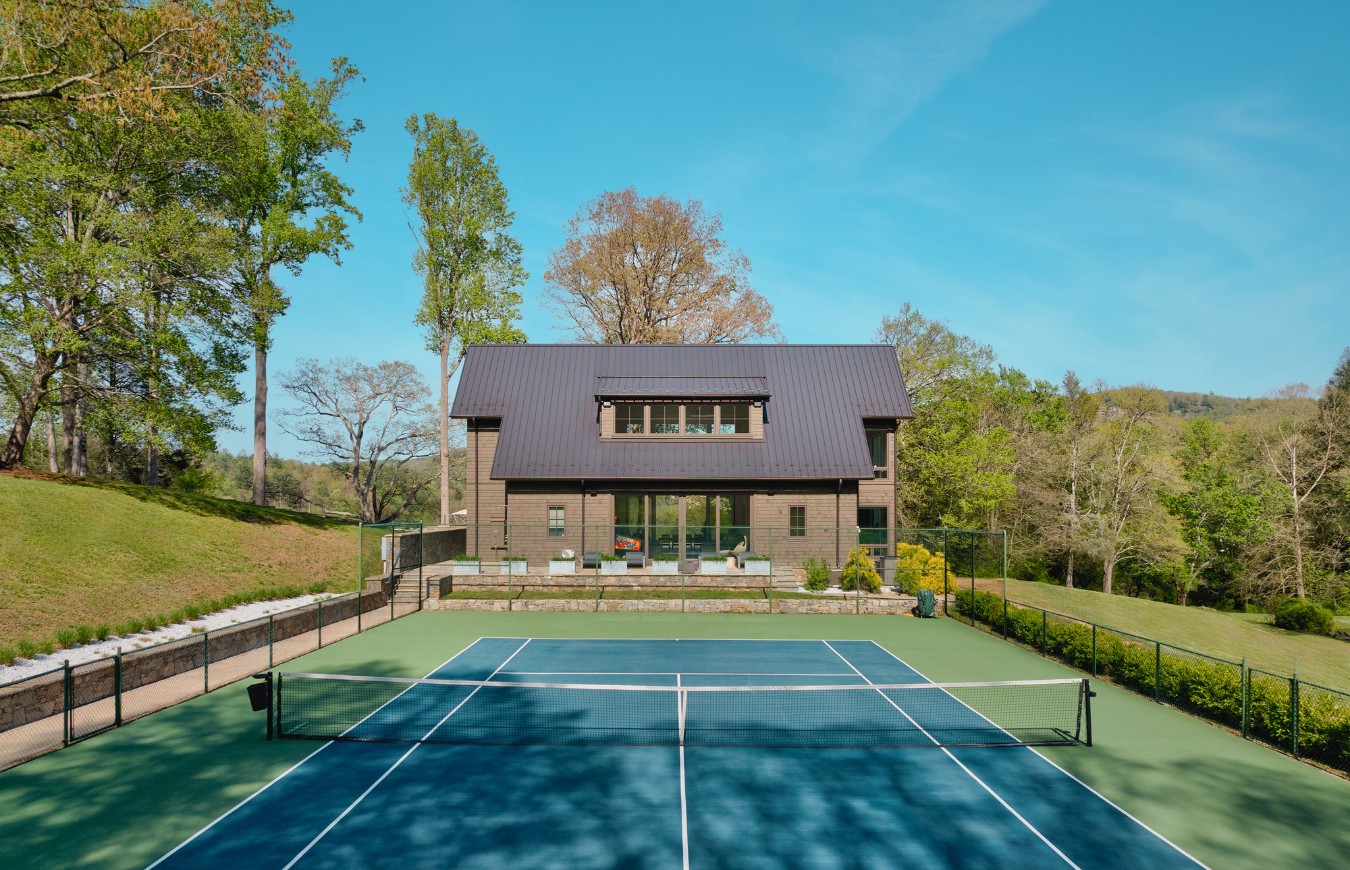
Where We're Seeing This
It happens in the Hamptons during summer months. We’ve also seen versions of it in the Caribbean during winter season. And in other regions where tennis culture runs deep and homes are built around seasonal rhythms: families who own a property specifically so they can return every year and know exactly what they’ll find. The same court, the same coach, the same rhythm.
The geography changes. The pattern stays the same: guest house plus established coaching relationship plus seasonal commitment.
Why It Works
A coach who lives nearby doesn’t commute. They’re part of the season. They know the court in different light and conditions, and they watch the same players year after year.
Those players aren’t only juniors. Plenty are adults still competing, or coming back to the game after time away, or working on something specific with a deadline in mind. What they have in common is that they want to improve, not just play.
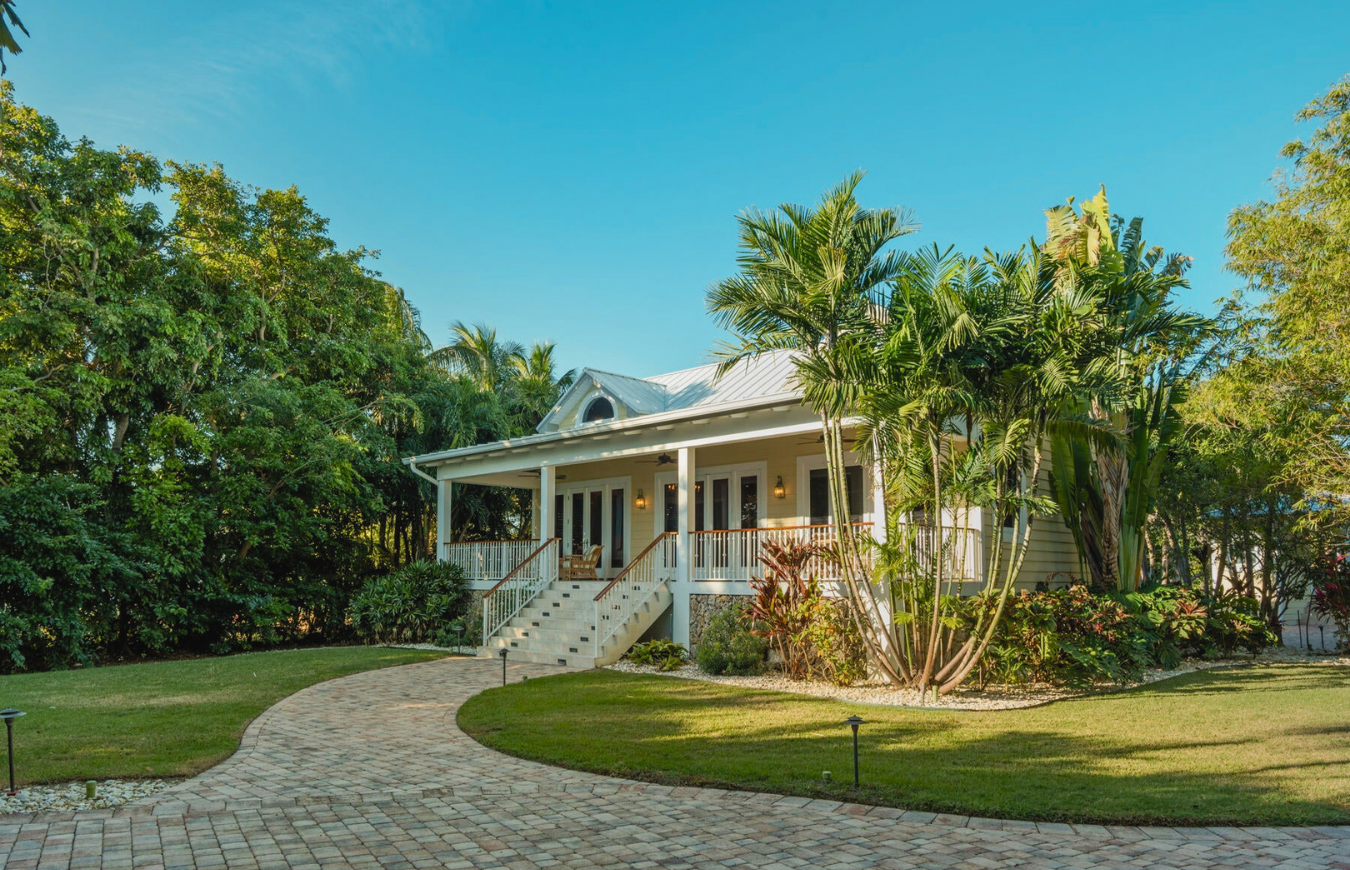
Featured: Palm Tennis Paradise | Leslie Leopold, Cheri Tindall with Ocean Sotheby’s International Realty
The Guest House Isn't Decoration
This model requires infrastructure. The guest house enables it. An owner building around private court coaching is thinking functionally: proximity to court, access to showers, space for the coach to work between sessions.
It signals what the owner actually values: not just a court, but the expertise that lives around it.
What This Model Actually Enables
At a club, coaching is corrective. You arrive with a problem, the coach gives you the fix, you leave. It works, and it stays transactional. You’re one of many on the schedule.
A coach living on a property for the season works differently. They see progress across weeks and months. They notice what’s holding, what’s slipping, what changed after a match. They adjust to who you are as a player rather than what needs fixing that hour.
That knowledge compounds. The coach who watched you last August already knows where to start this year.
The Takeaway
None of it happens without the infrastructure. The guest house, the proximity, a season contained enough that continuity means something. Private court coaching is built into the real estate itself.
Until the next match,
Tennis Homes Team